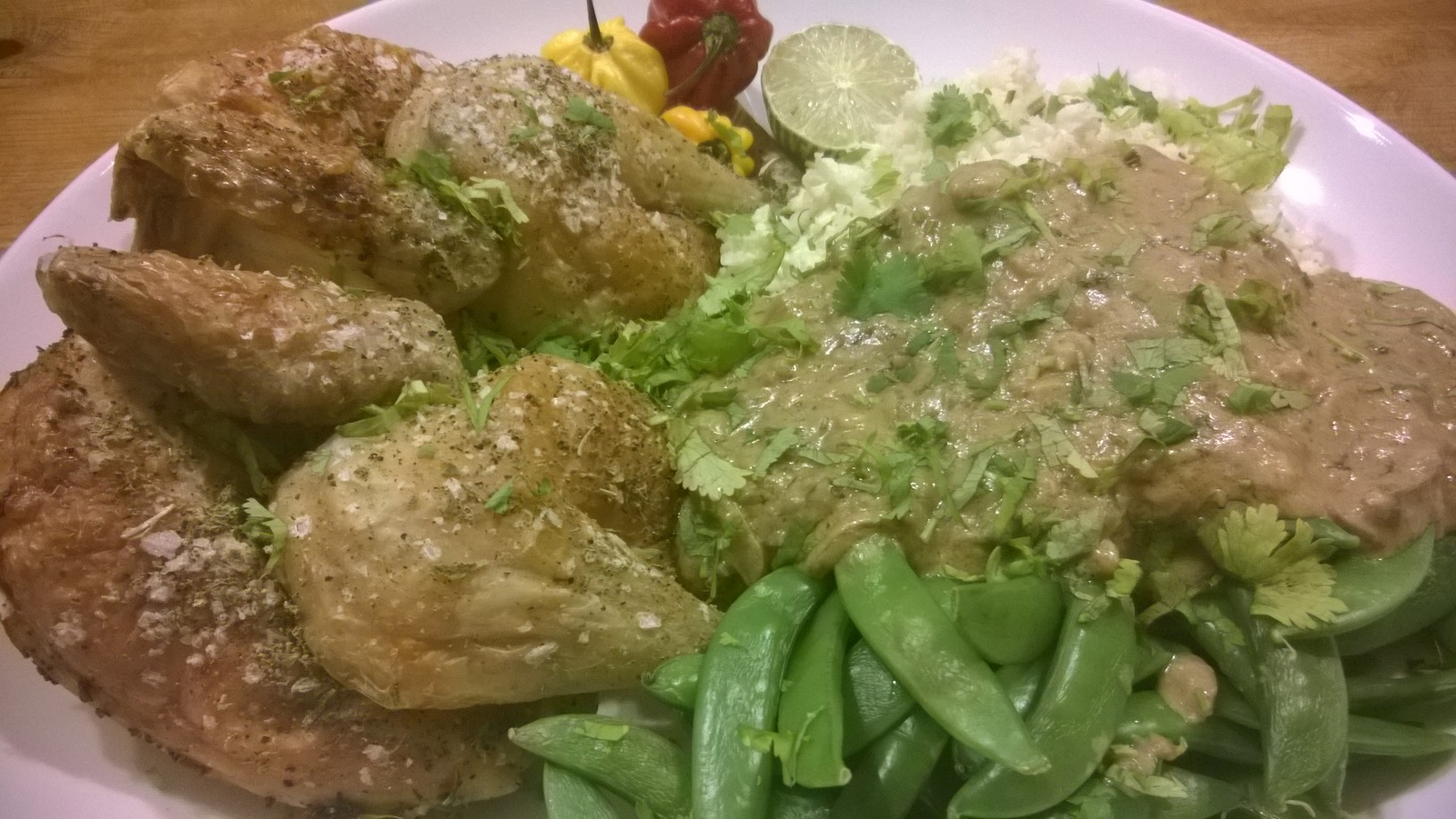
Spatchcocked Roast Chicken Satay with Buttered Greens & Cauliflower Rice – a low-carb masterpiece!

spatch

Spatchcocking poultry is far easier than it looks. But why go to all the effort? Quite simply, the meat will cook far more quickly, as a greater surface-area is exposed to the heat. This makes the manifest joys of dishes like roast chicken easily accessible on a week-night! What would normally take two hours in the oven, only takes one, which is much needed when you’re late home from work!

Cauliflower rice is my new big discovery! I shall devote a specific post to its wonders later in the week; but trust me when I say, it’s one of those low-carb, diabetic and gluten-free dishes that will change your life! It adds that all important “fill-factor”, which can sometimes be missing on a ketogenic diet. Expect to see it cropping up a lot on this site therefore!

Satay is always a pleasure to cook. The thick, richness of the sauce is aromatic and truly satisfying. Above and beyond that, it’s incredibly easy to make! This dish may look carb-heavy and time-consuming, but in actual fact, it only takes an hour and couldn’t be simpler! Take my word for it – it will soon become a staple in your low-carb repertoire!

Start by spatchcocking your chicken. This is done by cutting down the length of the breastbone with a very sharp knife. This will open the chest-cavity, which you then break back on itself to flatten the bird out. Once done, trim the parson’s nose and neck-end, so that you have a nice neat butterfly. It’s worth noting that with a sharp knife, this is simple and takes 2 minutes. With a blunt knife, you’ll be hacking for hours and the finished product will very much reflect that. Like all things therefore, preparation pays off! Sharpen your knife.

Season the skin-side, applying a liberal amount of rock-salt and a good shake of dried herbs. Into a hot oven it goes for one hour, or until golden and crisp.

Meanwhile, slice an onion and sauté in butter / oil until translucent. Then add chopped chilli and garlic and cook for a further two minutes. Shake in a good teaspoon of ground-cumin and coriander then, once the mix starts to clump, pour in a cupful of water. Add 2 chicken stock cubes and reduce to half its volume. Once reduced, stir in two large tablespoons of natural, unsweetened peanut butter and simmer on a low heat until thickened. If it gets too dry, pour in a little water. The texture we’re aiming for is melted chocolate. Immediately prior to serving, add a good squeeze of fresh lime-juice and chopped coriander. This lifts the dish and adds a freshness which cuts through the rich density of the peanut-butter.

If you’re having additional vegetables (I used mange tout), steam them for two minutes then toss in butter.

Whilst the sauce is reducing, pulse cauliflower-florets in a food-processor until they’re finely chopped to the size of rice-grains. Experience dictates that one cauliflower is best done in two batches to prevent purée! Sauté your ‘riced’ cauliflower in butter for 2-3 minutes, checking the texture at intervals to ensure it doesn’t over-cook and go soft. Once the required texture is achieved, pile onto your serving-dish and place the chicken beside it.

Spoon your sauce over the rice and chicken, then garnish with a flurry of chopped coriander. Rush to the table and serve piping hot. Delectable!

Thanks for reading and bon ap!

Adam.

Warm ‘Greek-Style’ Chicken Salad with Roasted Aubergine, Courgette, Basil & Halloumi – Low-carb Autumn-fare that clings to the taste of Summer!

salad

When we think of traditional Autumn-fare, the mind conjures up thick stews and casseroles; roasted pumpkins, soups and sausages; all served up in thick chunky bowls to warm the hands and heart.

But that doesn’t mean we’re limited to such dishes. There can still be variety that’s both hearty and fresh, paying tribute to the last of the Summer. This recipe is exactly that!

The final solitary tomato from my garden has been sacrificed for this dish. Aubergines are still readily available and herbs staunchly retain their perfume, undiminished by the mists and encroaching chill.

Because this is a ‘warm salad’, it truly offers the best of both worlds! The fresh flavours of Summer are present in the basil, rocket and rich tang of olive-oil; but the comfort-qualities of Autumn equally abound, with oven-baked vegetables, salty griddled cheese and hot, succulent roast-chicken.

This tribute to the change in seasons can be enjoyed by diabetics, gluten-intolerants, paleo-fans and ketogenic-dieters alike! Curl up by the fire, but eat a taste of the sun. We need it in food; as darkness & cold slowly rob it from all place else!

Place your chicken-pieces into a roasting-tray and generously salt and pepper the skins. Sprinkle on some dried oregano and oven for one hour until the chicken is golden and brown.

Meanwhile, roughly dice your aubergine, courgette and red-onion and glug over some good quality olive-oil to coat. Mix in crushed garlic, chopped Greek-basil and season well. Place into the oven and bake for the same duration as the chicken.

Slice your halloumi and place it onto a baking-sheet, ready to be grilled 10 minutes before serving.

Arrange a mixture of lettuce, rocket-leaves, diced tomato, olives, peppers and radish in your salad-bowl. Leave a well in the centre to pile up your hot ingredients, so that the salad doesn’t wilt.

Take your chicken and vegetables out of the oven and set them aside for ten minutes, so that they lose a little of their heat. Then place your halloumi under the grill, with a light drizzle of oil. Turn once halfway through so that both sides get their share of the suntan.

Tumble the vegetables into the centre of your salad-bowl, then arrange the cooked cheese at reliable intervals. Top this with your chicken-pieces, more chopped Greek-basil and a final salute of olive-oil.

Hey presto! Dinner is served! And I can honestly say, if you don’t like this, then there’s no pleasing you!

Thanks for reading and bon ap!

Adam.
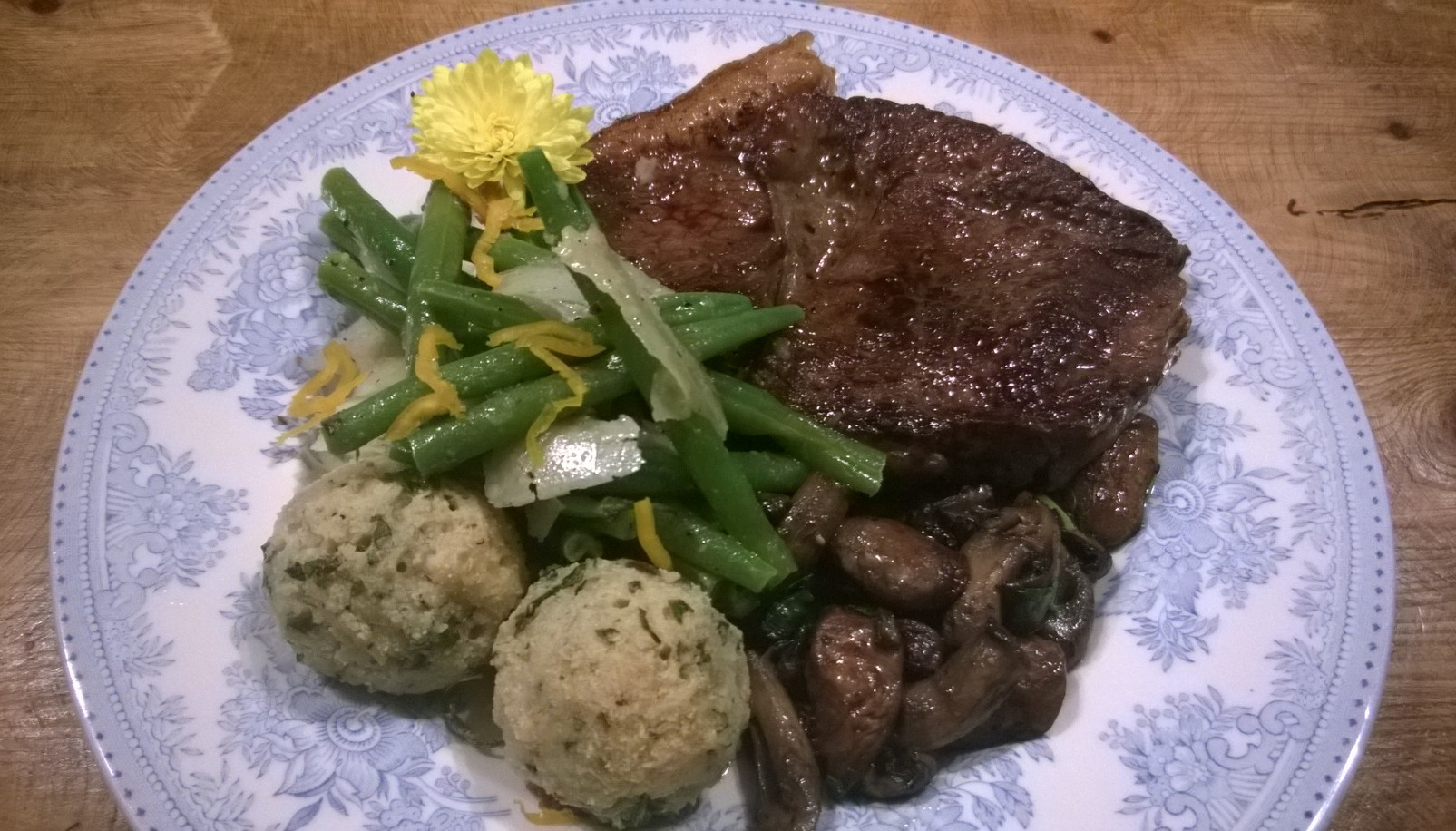
Seared Rump-Steak with Herby Suet-Dumplings, Garlic Mushrooms & Dressed Parmesan French-Beans… Classically low-carb, supremely satisfying & effortlessly easy!

steak

The beauty of steak lies in two things: its taste and its simplicity. Like many things in life; you get what you pay for! So I’d always rather have steak less frequently, but of higher quality.

Here, I team it with something you wouldn’t necessarily associate with low-carb eating: suet dumplings! These are made with almonds instead of flour; so present no problems to the gluten-free-, ketogenic- or diabetic-diner. The garlic mushrooms and dressed beans are a personal homage to French classicism. One thing the French do really well is vegetables, and I take my hat off to them for this combo!

Start with the dumplings. These work on the classic ‘half fat to flour’ ratio. Take 6oz of ground almonds and 3oz of beef suet to make 4 medium-sized dumplings (midway between golf-ball and tennis-ball – does that equal hockey-ball??? No idea). Make sure you check the packet if you’ve bought your suet from a supermarket. Some suets contain large amounts of flour to stop the grains from sticking together. Mix together in a bowl, add chopped herbs, salt and pepper, plus a pinch of bicarbonate-of-soda. Slowly add cold water, dribble-by-dribble; until the mix clumps together. If you use a dinner-knife to mix the water in, then you’ll see far more easily when the mix is cohesive enough to form a dough. A spoon tends to ‘smear’ and ‘spread’. A knife mixes neatly.

Form the dough into balls then steam over water for 5 minutes in a pan with a heavy lid. There may be some disintegration into the water, but that’s only natural. Transfer the dumplings to the oven and bake for 15 minutes until crisp on the outside.

While these are in the oven, heat your skillet-pan to a good searing heat. Throw in a little butter, then add your seasoned steak; enjoying the sizzle as it hits the pan. Turn after a couple of minutes and re-season the upturned cooked-side.

Chop some mushrooms and add these to the pan. Melt in a good spoonful of garlic butter, then rub what is left on the spoon onto the surface of the steak. For this quantity of garlic-butter, think one small clove of crushed garlic, to one large table-spoon of butter. Much more garlic and it acquires a ‘burn’. Remove the steak from the pan to rest, and continue to cook the mushrooms.

In the water used to steam the dumplings, steam your beans for 2 minutes until they’re cooked, but still have their bite. Season, dress with vinaigrette, then shave fresh parmesan-cheese over the lot.

Take the dumplings out of the oven and serve next to the steak. Spoon out your mushrooms, and pour a little of the buttery pan-juices over the steak and dumplings. Dish up the beans, help yourself to a spoonful of mild Dijon mustard; then head straight to the table whilst the whole thing is still piping hot!

The simple pleasures in life are always the best!

Thanks for reading and bon ap!

Adam.
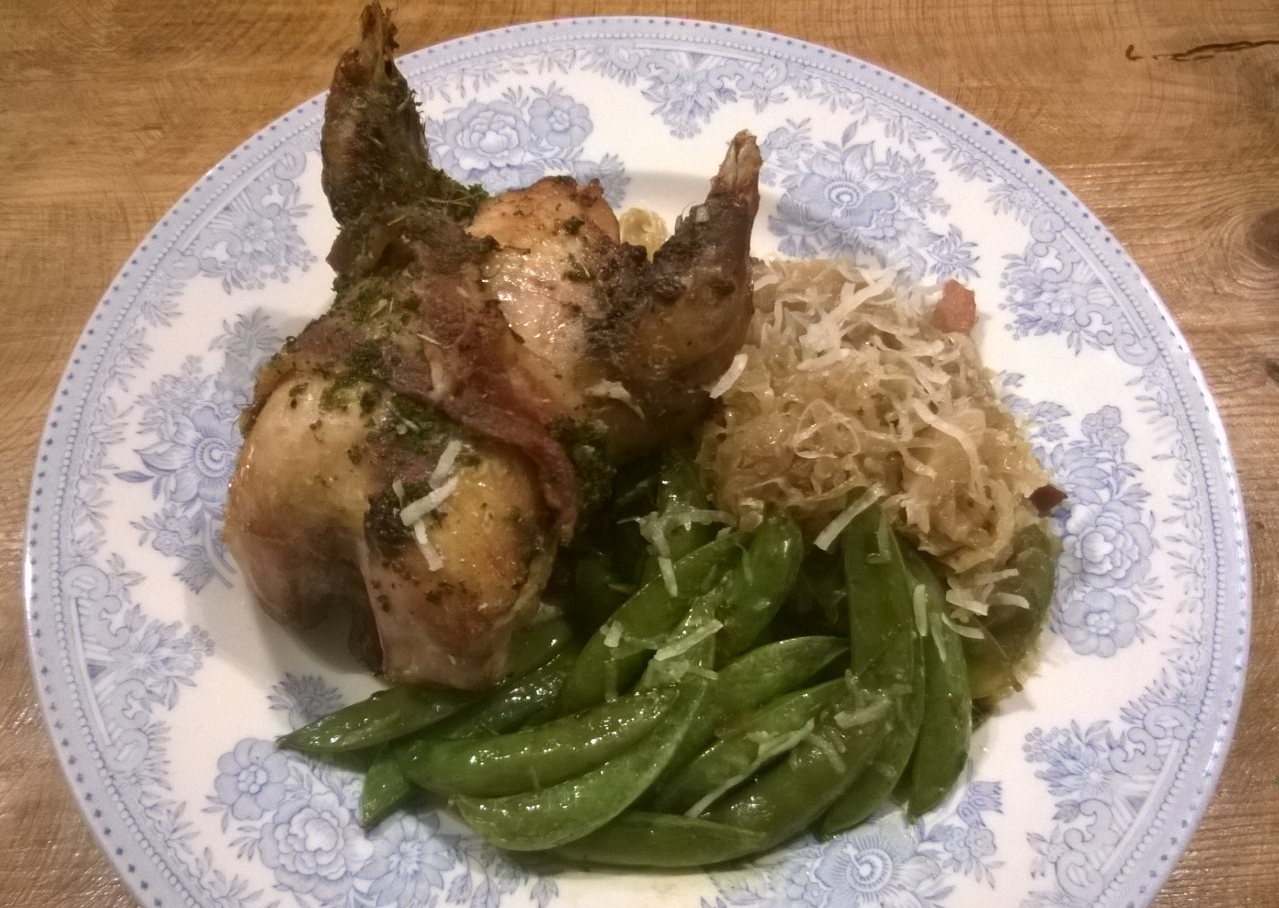
Sage-Roasted Partridge with Buttered Bacon Sauerkraut & Pea-Pods. Stock the game-larder as shooting-season begins! Nature’s low-carb harvest.

partridge

Autumn sees the start of the English shooting-season. Few things could be finer or more quintessentially English, than the sight of ‘the guns’ returning; flushed with pride & resplendently decked with braces of partridge & pheasant. This is British cooking at its best.

Though the guns may be in top form; the game-birds still require a little longer to reach their peak. A few more weeks of feasting on autumn’s ripe harvest should give them that all important layer of fat which ensures succulence & flavour. Always therefore pick game with the heaviest marbling of fat. It will pay off in the eating!

For such a traditional thing, you may be surprised that I’ve chosen a German accompaniment – sauerkraut. The match is one made in heaven! The slight astringency of the wine-pickled cabbage, compliments the rich heady taste of game wonderfully. All you need is a good dollop of English mustard and you’re good to go!

Start with the sauerkraut. Sauté smoked-bacon pieces / lardons in a heavy-bottomed pan. Once brown, add a little butter, onion and garlic. Cook until the onions start to brown then add your drained, rinsed pickled-cabbage. Try to go for a type that’s been steeped in white wine and vinegar; the flavour is better.

ALWAYS rinse pickled cabbage, whether from packet, jar or can. If not, the flavour will be vinegary and unpleasant. That’s the quality that puts many people off. When it’s done properly it truly is a culinary inspiration!

You want to make sure the cabbage carries quite a lot of water from ‘the rinsing’ as it goes into the pan. This will prevent the dish from drying out. Crumble on a couple of chicken stock-cubes, season, then place the lid on the pan. Simmer on a very low heat for approximately an hour, checking periodically that the mix still has sufficient liquid to steam & not dry out.

Meanwhile, wrap your partridge in streaky-bacon and place a little sage-butter in the cavity (sage-butter? literally as it sounds). Season well, making sure that the skin has sufficient salt to crisp. Sprinkle with a final dusting of sage then place BREAST-SIDE-DOWN in a roasting dish. Then into a hot oven.

Why breast-side-down? The butter, and what little fat there is on the carcass; will melt and diffuse into the breast-meat, preventing dryness. Roast for 20 minutes until browned, then turn over in the tray. Re-season the breast-side then bake for a further 20 minutes until golden. Take out of the oven, cover in foil and leave to rest for 15 minutes or so, retaining the juices in the pan.

Place your green vegetables into the pan which held the partridge. Toss in the juices to coat, then oven-roast for 10 minutes until they’re cooked-through but still have bite. Now check the cabbage for seasoning and stir in a knob of butter.

Plate up the partridge and serve a generous spoonful of sauerkraut on the side. Dish up your vegetables and grate a small amount of parmesan on top for added richness.

This recipe really warms the cockles of the heart. Comfort-food doesn’t get more classic than this! And all without carbs.

Thanks for reading and bon ap!

Adam.
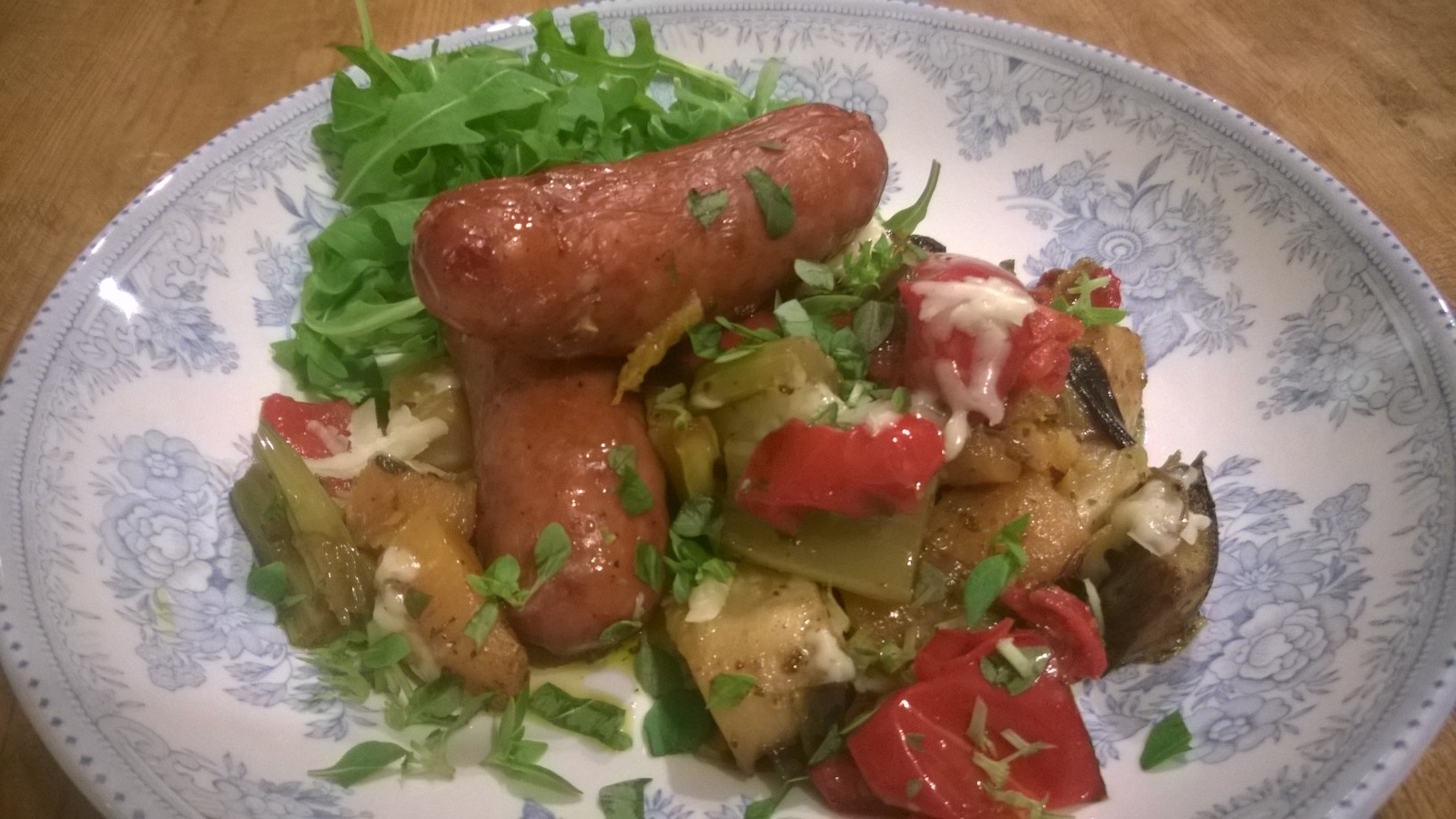
Silesian Sokolow with Pumpkin, Celeriac & Cumin-Roasted Vegetables – a low-carb autumn treat; simple, delicious & bursting with flavour!

polish sausage

Because it’s Halloween, I naturally couldn’t resist cooking something with pumpkin. But this dish is a winner on any day of the year!

Sokolow is one of those sausages with such intensity of flavour that complex cooking will only serve to clutter it. The rich, spicy, salty tang, & course-ground filling are best left enjoyed just as they are. Any accompaniment will require depth of flavour that holds its own, but doesn’t compete.  That’s why I chose cumin – it has a warmth which compliments the sausages perfectly; so perfectly that there won’t be a scrap left on the plate!

This is one of those great ‘oven-only’ meals. Once prepared, you can just leave it in the oven and slowly start to relax into your evening. For this reason, it’s a wonderful thing to have up your sleeve on a week-night. And at this time of year, few things could be more satisfying than chunks of roast pumpkin and spiced pork. You’d never know it’s low carb! As such, it’s one of those ketogenic- / diabetic treats that’s really substantial & filling. So go on & enjoy…! We certainly did!

Dice your pumpkin, along with any other low-carb vegetables you have to hand. I used celeriac, celery, onion, peppers, leek & a few spring-onions I had left over. Pumpkin is higher in carbohydrate than the other vegetables; so make sure it only comprises about a quarter of the vegetables by volume. Sprinkle on a generous shake of ground-cumin, paprika, salt, pepper & crushed garlic, then pour on a good glug of olive oil. Mix with your hands to ensure that everything’s well coated.

Roast in a hot oven for 40 minutes, or until there is a slight browning around the edges of the vegetables. At this point, add your sausages on top, and cook for a further 20 minutes.

Et voila! It’s that simple… Serve with a small sprinkle of grated cheese and some freshly chopped herbs. Once you’ve made this, it will become a firm favourite in your repertoire. You’ll want to cook it time and time again. And at this low level of carbs, you can do just that!

Thanks for reading and bon ap!

Adam.

Earthy & Aromatic Spanish Chicken with Chorizo, Aubergine & Buttered Savoy. A bowlful of low-carb comfort!

spanish chicken

The earthy flavours of chorizo and cumin are just the thing when the dark evenings start to draw in. They’re very much a staple in our household. I’m often late home from work, and crave something that’s simple, yet tastes anything but!

The depth of flavour in this dish lends the impression it’s been cooking for hours. But because you can just leave it in the oven, it won’t take up a fraction of your time. As there are no carbs, diabetics & ketogenic-dieters can dig in without qualms. And believe me – they will!

Season the chicken-skins and sprinkle with herbs. Roast in a hot oven for circa 45 mins to an hour, or until the chicken-pieces are golden and crisp.

Meanwhile heat some olive oil in a pan and sauté some chopped, cooking-chorizo. Add onion, garlic, mushrooms & diced aubergine, then cook on a medium heat until soft. Sprinkle on turmeric, paprika & dried thyme, then de-glaze the pan with dry sherry or white wine. If you have any orange-flower water, it adds a nice fragrant edge; a cap-full should be fine. Pour on some water, until the mix is up to its ears in liquid. Crumble in chicken stock-cubes then reduce down to a third of the liquid’s volume. Add chopped olives & check for seasoning.

Finely chop your savoy-cabbage, rinse, then add to a pan with the water still clinging to it. Throw in some butter and salt, then cook with the lid on for 5 minutes until tender. Serve up alongside the chicken in big bowls, then spoon the sauce all over the top. Autumnal perfection itself!

Enjoy and thanks for reading. Bon ap!

Adam.

Crispy Thai Coconut Pork with Butternut Noodles – low carb, diabetic & delicious!

pork nood

I’ve recently discovered the wonder of zoodles, and I must confess; I’m hooked! These ones are made with butternut-squash. They’re a little bit higher in carbs than their courgette counterparts; but certainly nothing to worry about. If you’re still in the weight-loss phase of a ketogenic diet, then just don’t have seconds. Everyone else (including diabetics), can pile them up and get stuck in!

Pork belly slices are one of our favourites. Cooked for long enough, they go beautifully crisp on the outside, yet stay gooey and unctuous in the middle. They’re also easy to cook, as they don’t need turning or ‘fussing over’. They can simply go straight in the oven until they’re done.

Start by cutting your pork-belly slices into inch chunks. In a mixing-bowl, prepare a dry-rub of garlic-salt, paprika, dried thyme, salt, pepper, cumin and ground coriander-seed. Place the pork into the mixing-bowl and massage the spice-mix into the meat. Place on a lined baking-tray & oven for circa our hour until crisp.

Meanwhile peel your squash and cut the ‘zoodles’ with a julienne-peeler or equivalent machine. Sauté in butter and olive oil until they lose their rawness, yet still retain bite (circa 20 mins). Season well, then remove from the heat.

Finely dice an onion, garlic and chilli. Cook until soft, then crank up the heat and pour in a good cupful of water. Follow this with a couple of stock cubes, a squeeze of lime, and chopped coriander stalks. Let the mix reduce to half its volume, then add a half can of coconut milk (full fat) and cook until the sauce has thickened. I also added thinly sliced cabbage and mange-tout to the sauce, just after adding the coconut; but these additions are naturally to preference.

Reheat your squash-noodles in the pan for a couple of minutes. Pour on the vegetably coconut sauce, then scatter your pork-belly slices over the top. Garnish with plenty of chopped coriander and serve to the hoards!

Thanks for reading and bon ap!

Adam.

Classic Caesar Dressing – the perfect accompaniment to low-carb salads. Chicken, ham, prawns… The choice is endless. LCHF & diabetic-friendly.

caesar 2

You know you have good friends when they invite you to a LCHF, diabetic-friendly meal!

Last night, we were invited to a friend’s house for dinner. The food she cooked was sublime! Prawns marinated in ginger, garlic, chilli & dill, atop a classic Caesar salad-style base. Thrown into the mix was griddled pancetta, tomatoes, olives & parmesan. I couldn’t have done better myself!

Caesar dressing is a low-carb staple! Not only does it taste wonderful; it’s also truly versatile. You can use it on pretty much any salad, be it meat, cheese, fish or fowl.

I’ve always been a bit of a purist with food. When I say that, I don’t mean that I stick blindly to the classics; I refer principally to the quality of ingredients used and the attention to detail of their preparation. A Caesar salad dressing therefore doesn’t belong solely with cos lettuce, and croutons. Try it with soft autumn ‘buttery’ leaved salads and stir it into steamed peas or broccoli. The results won’t disappoint.

There’s no impact to blood-sugar and it’s incredibly easy to make. I tend to make a ‘batch’, which lives in the fridge for up to a week. Experience shows however, that it never lasts that long. We eat it within three days every time!

In a small food processor, whizz up a couple of anchovies and half a clove of garlic. The flavour of the garlic intensifies over time, so if you’re not going to eat all the dressing straight away, it’s best to err on the side of restraint. Add to this a small squeeze of lemon juice, a small handful of grated parmesan cheese, half a cup of good olive oil and half a cup of double cream. You can also add an egg yolk if you like, but bear in mind that raw egg will shorten the shelf-life. Give these a good blitz in the processor until smooth and emulsified, then taste to adjust the seasoning if required.

Voila! Incredibly simple and sublimely delicious.

Thanks for reading and bon ap!

Adam.

Pork Stroganov with Buttered Grana Padano Kale – comfort food with a difference: no carbs! Rich, creamy & satisfying. Diabetic-friendly & a keto-winner!

pork strog

As those Autumn nights begin to kick in, this dish is just what the doctor ordered. The warmth of smoked paprika, the saltiness of grana padano & the smoothness of cream all provide the perfect counterpoint to one-another. This is certainly the type of dish to enjoy on the sofa from a bowl. Light the fire and think of bobble-hats & bonfires. Then have seconds! After all, it’s low carb…

In a thick-bottomed pan, brown some smoked bacon / lardons. Add chopped onion and garlic and cook until the onion is soft. Add your kale, a little water and season thoroughly. Place the lid on the pan and cook on a low heat for at least half an hour until the kale loses its toughness.

In another pan, melt butter and a little bit of oil, then add your pork. Seal until golden brown, trying not to turn the meat until it’s done (if you do, you stop it from caramelising and risk making it steam, not fry). Once browned, add onion, peppers and garlic, then a generous shake of paprika. Stir in a stock cube and cook until it starts to cry out for moisture. At this point, de-glaze with a little vodka.

Top the pan up with water, so that the contents are up to their necks in liquid. No more. Reduce to a third of its volume then stir in your cream. Adjust for seasoning and sprinkle on some herbs. Lift the lid on the kale and stir in your grated grana padano & butter. Scoop stroganov and greens into a large chunky bowl & enjoy. Low carb doesn’t get much better than this!

Thank you for reading and bon ap!

Adam.

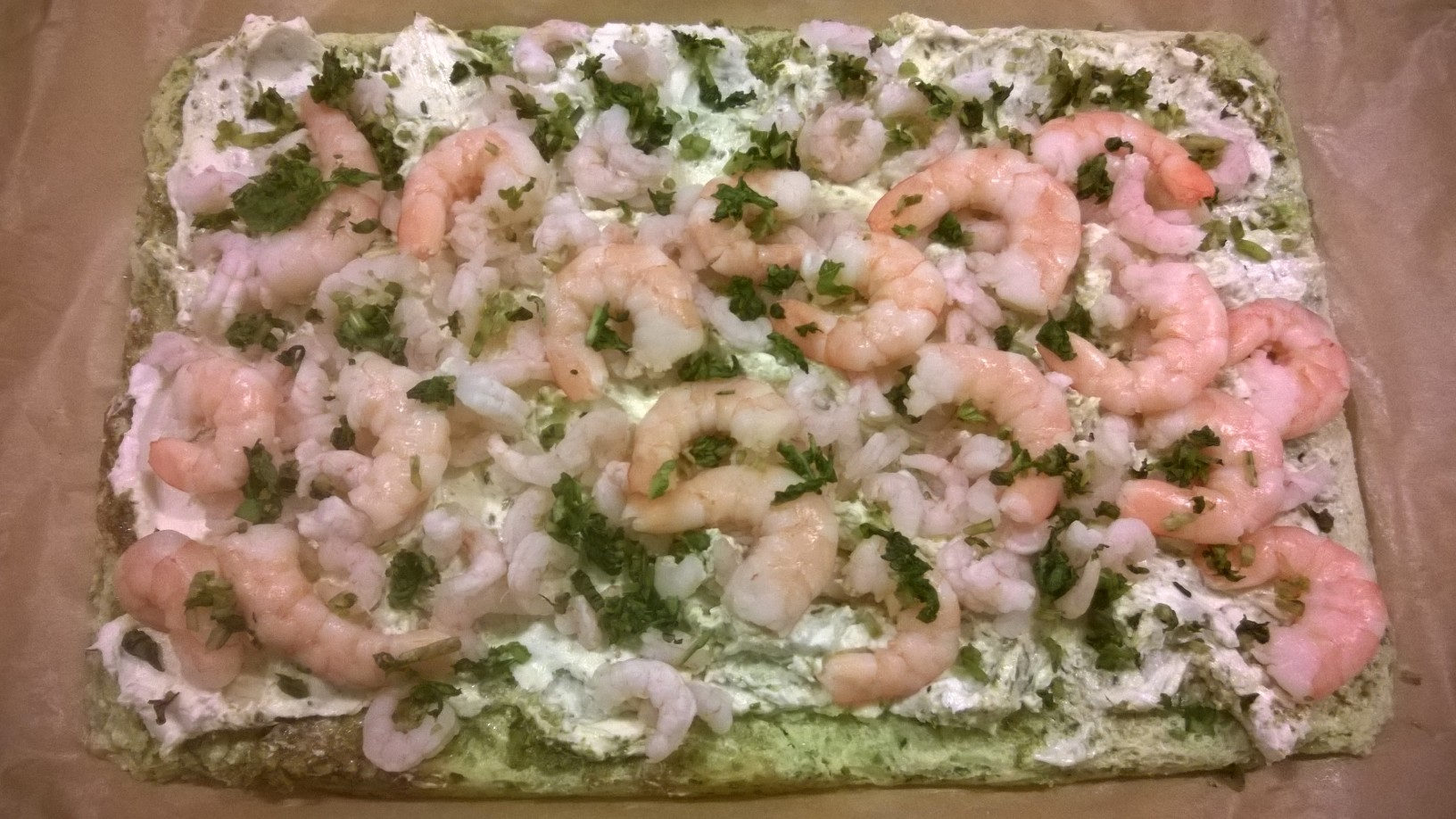
King Prawn, Courgette & Mascapone Roulade – an elegantly simple masterpiece! Low-carb and perfect for diabetics. Keto-heaven!

prawn roulade

This is one of those dishes I often reserve for dinner-parties. It looks so amazingly impressive and professional, but in actual fact it couldn’t be easier to do. If you’re not a fan of prawns, these can be substituted with salmon, crab, shredded smoked-ham or chicken.

Start by lining a baking-tray with tinfoil. Grease this with a layer of oil to stop the roulade from sticking. Next grate your courgettes on the fine side of the grater. How much? Sufficient to cover the base of your baking-tray to circa 1/2 cm in depth.

Beat your eggs in a mixing bowl, adding a pinch of nutmeg, salt and pepper. You should judge the egg by eye, to a rough ratio of 1 part egg, 3 parts courgette. I used 3 large courgettes and 3 eggs. Pour onto the grated vegetables and then swirl the mix with your fingers, to ensure that everything is evenly coated. It shouldn’t be too ‘pondy’; rather a texture that’s more than damp, less than soaked; picture gravel in the rain!!

Bake on the bottom of the oven for circa 20 minutes, until set and spongy to the touch, but not too brown. Then after a couple of minutes, turn it over onto a large sheet of baking-paper, browned side down.

Whilst this is cooling, season your mascapone and ‘marble’ the mix with a little basil pesto. Once the roulade has cooled, spread the mix evening over the upturned surface and scatter on your prawns. Season and sprinkle with chopped basil.

prawn roulade 2

Using the paper like a large sushi-mat, roll the roulade towards you, starting at the top like a big swiss-roll. When it has completely rolled onto itself, pat down slightly so that it forms a flat base. Lift off the paper with a palette-knife and transfer to your serving-dish.

Serve the roulade with salad leaves in a tangy dressing, such as vinaigrette or fresh lime and sesame oil. Sublime!

Thanks for reading and bon ap!

Adam.
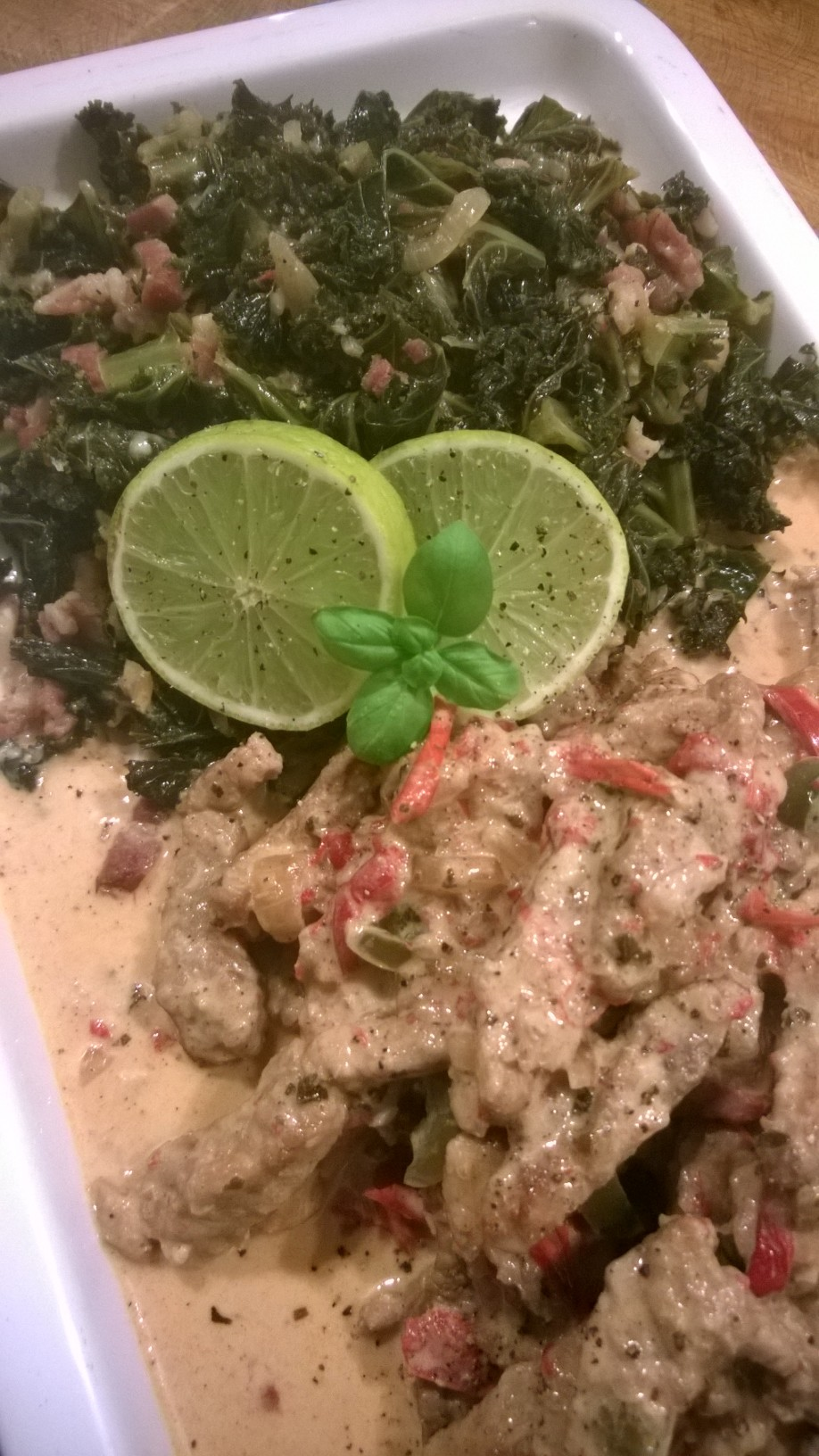
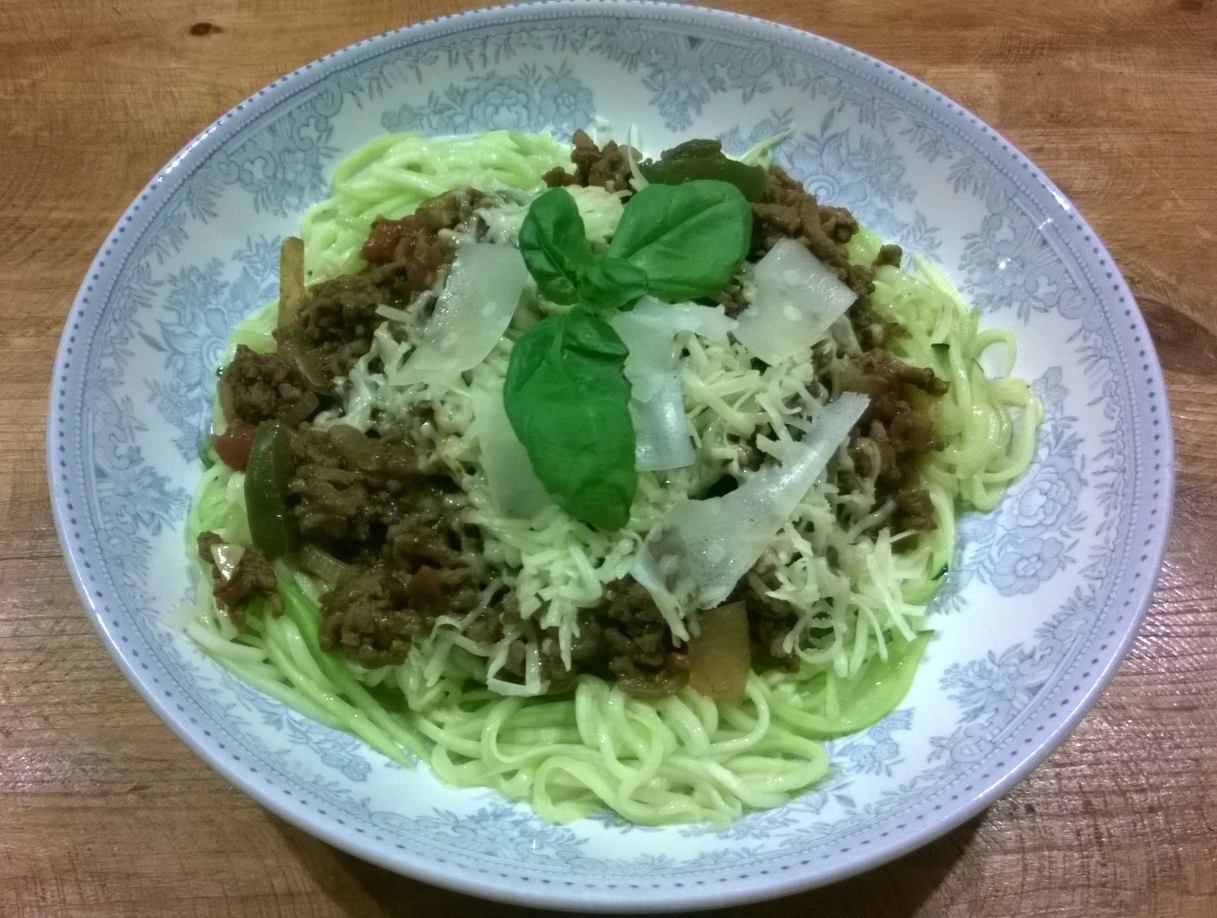
Classic Spaghetti Bolognese with a Twist… No Carbs! Perfect for gluten-intolerants, diabetics, or anyone who loves pasta but not its effects!

spaghetti

I’ve already waxed lyrical about the wonder of ‘zoodles‘ in an earlier post. I shan’t do it again (well maybe just a bit…) but they’re brilliant! I don’t even mind the silly name, they’re so good.

Bolognese has rather been off the menu of late, because it really needs something to go with it. Salad doesn’t cut the mustard here & steamed vegetables lack the ability to soak up all the sauce. As a result, I’d stopped making it, which is a pity as it’s cheap, quick & delicious! Stopped that is, until I discovered courgette-spaghetti…!

I’ve explained how straightforward this is in a separate post all of its own. The below therefore chiefly details how to make a low-carb bolognese sauce.

I really think you should  try this dish. When you stop having an old favourite because your dietary requirements forbid it; food very much begins to lose its charm. Inversely, when the same foodstuff can once again be welcomed back, it feels as if the prodigal son has returned! Well in our house, the red-carpet’s rolled out and the flags are flying for spaghetti. Long may she reign!

Place a thick-bottomed pan on the hob and leave it to heat through. Season your minced beef and then add to the pan. You really need the pan to be good and hot. If it’s too cold, the meat will start to steam, rather than seal. Supermarket mince especially can give off an unpalatable smell of ‘wet dog’, if it’s allowed to steam in this way. You want to hear a good strong sizzle from the pan, and the odour should be one of cooking steak, not brine!

Leave to seal on each side before stirring. Once sealed, add a finely sliced onion and chopped garlic & leave to cook until the onion has started to soften. Don’t pour off the fat – we’re on a ketogenic diet here, so it is very welcome. De-glaze the pan with a small glug of red-wine or port and then stir in a drained can of tomatoes.

Crumble in a stock cube or two and season. Dried or fresh herbs can be added, as can a very small squeeze of tomato purée. If you’re not trying to lose weight or are a diabetic who has a higher carb-threshold than I can currently manage; you can be more liberal with the wine, tomatoes and purée. Add a little water (just enough to cover) so that the mix doesn’t get too dry. Feel free to add any low-carb vegetables such as mushroom, spinach or green-beans to the mix; depending on your preference. Simmer on a low heat for 20 minutes until the sauce is rich and thickened.

Meanwhile sauté your courgette-spaghetti in a little butter. Two minutes should do it. You’ll need to add a little salt, but this can be easily adjusted when you check the zoodles to see if they’re done. You want them to still retain an al dente bite; just as you would with any pasta. No-one likes a plateful of texture-less slop!

Serve the noodles into a bowl, then ladle on a generous serving of bolognese sauce. Top with an almost indecent amount of grated cheese et voila! Dinner is served.

Thank you for reading and bon ap!

Adam.

‘Zoodles’! The Vegetable Food-Revolution is Here! Low-carb, diabetic-friendly, vegan & gluten-free. They’ll change the way you eat forever!

zoodles

Like a lot of people, I’ve always loved pasta. But pasta comes at a price! Weight-gain & bloat!

Pasta must be one of the worst things for diabetics. Whether white or wholemeal, it sends an instant hit of glucose to the bloodstream, catapulting blood-sugars sky high! Once insulin-levels have kicked into overdrive, to clear ‘the glut’; energy levels come crashing down again & the glucose-cycle kicks in, leaving you craving more starch even though you’ve just consumed enough calories to run a mini-marathon!

Regrettably my life is better off without it. Until now!

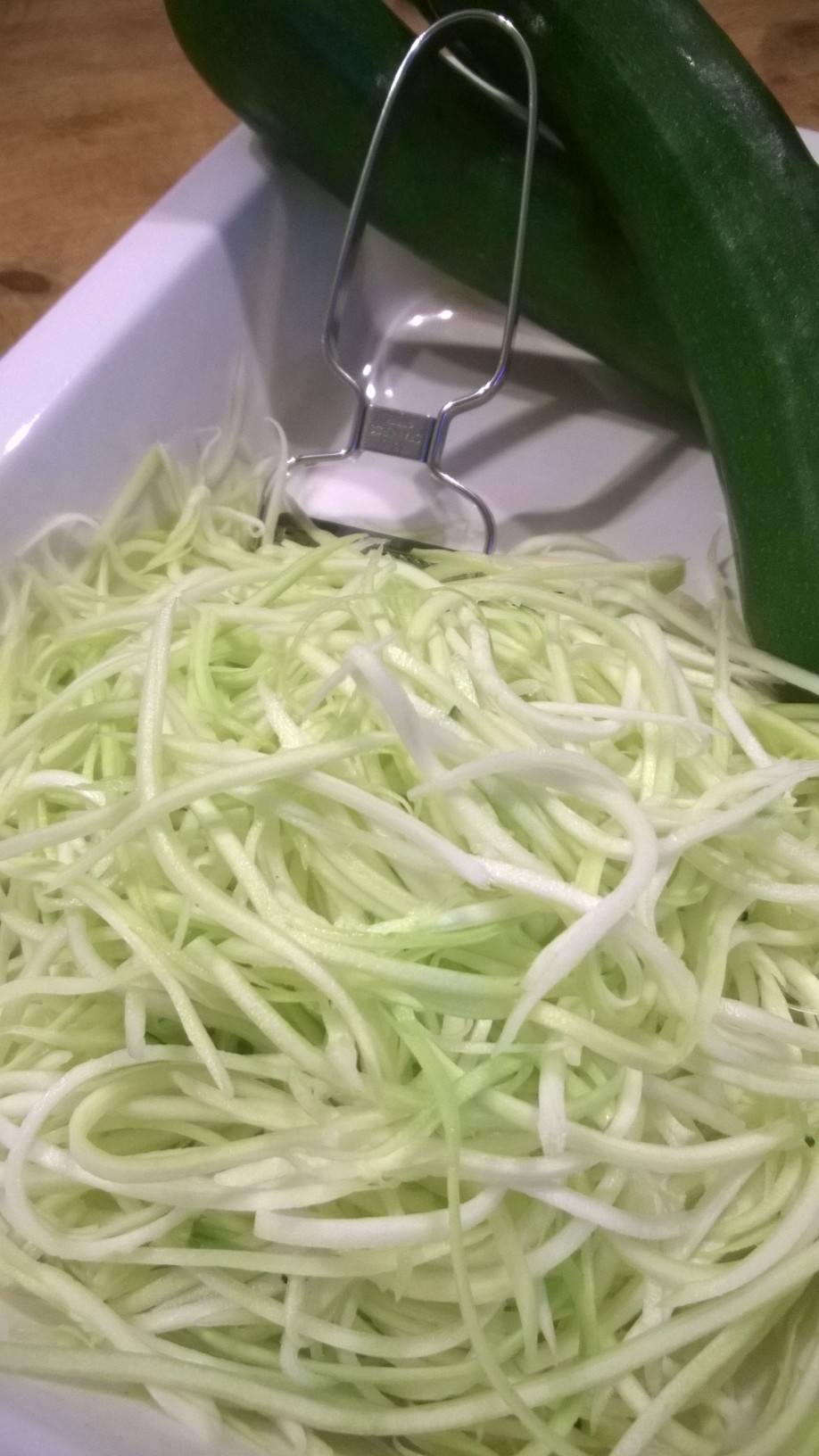
Introducing ‘zoodles’ (zucchini noodles as the Americans would say; courgettes this side of the pond). They could not be easier and work in a multitude of dishes. Think of them as a far better substitute for pasta, oriental & european noodles.

Spaghetti, linguine, tagliatelli, pad thai noodles, vermicelli – suddenly carbonara is a low-carb ketogenic dish!

All you need is a julienne-peeler (or Spiralizer – on my Christmas list!!). Peel the courgettes for a more ‘traditional pasta’ look, or keep the skin on. Peel down the vegetable with the julienner and leave to sit on kitchen-towel for half an hour or so. You can use them straight away, but there’s a small risk they’ll go a bit soft due to the high water-content.

I like to sauté them on the hob in a little butter or oil for a few minutes, but you can equally boil them in water for 1 minute or microwave them (covered) for two.

Their versatility is only matched by how good they taste in everything you try. No impact to blood-sugar, no bloat, no insulin-induced hunger-pangs… You may be getting the feeling ‘I couldn’t recommend them highly enough’… Well I can’t!

Thanks for reading and bon ap!

Adam.

Chicken in a Creamy White Wine, Tarragon-Sauce with Roasted Courgette-Gratin – A timeless classic that’s quick, easy & full of flavour. A foolproof, low-carb masterpiece!

WP_20141024_007

In our search for the ‘interesting & different’, we sometimes overlook the classics. The joy of this dish is that it’s so incredibly straightforward, yet tastes as if you’d been slaving for hours! Use any cut of chicken you like, but chicken breasts are by far the quickest. On a week-night, that can be a real blessing!

The addition of double-cream makes the sauce velvety smooth; so professional that people will think you’ve graduated from the Cordon Bleu school of French cookery! No carbs, no guilt. Just pleasure.

In a thick-based sauté-pan, melt a little butter then add your chicken. Seal on both sides until it’s golden brown and caramelised. I say the following again and again… do not poke at it or move the food around in the pan until it’s ready to be turned. No-one likes to be mothered and the same goes for your dinner! Don’t fuss at it. If you attempt to move it too early, you risk ‘tearing’ the meat’s surface, and you’ll never develop the caramelised, seared-on crust that de-glazes from the bottom of the pan & adds richness and depth to the sauce. Touch it gently with your finger; if it comes away from the pan’s surface with no resistance, then it’s ready to be turned. If it stays put, then the surface hasn’t sufficiently sealed / caramelised & it needs to cook a little while longer. Equally, never ‘crowd’ the meat in the pan. If it’s too close together, you lower the temperature in the pan and the food starts to steam not sauté. Trust me and try it; the results will speak for themselves!

Lecture over (sorry). Add sliced onions and some finely-chopped / crushed garlic a minute or so later. Cook on a medium heat, ensuring that the onions don’t brown; rather go soft and translucent. Then crank up the temperature and de-glaze the pan with a little white-wine to release the flavour. I always love the big, heavy ‘sigh’ it gives, as the liquid comes into contact with the hot metal and evaporates. Italians call this ‘il sospiro’, literally ‘the sigh’; it’s the perfect word for it, and the sign that you can finally relax after a long day…!

Pour in chicken stock (or water and stock cubes) until the contents are waist-deep in liquid. Add chopped tarragon and season. Leave to cook on a low heat until the sauce has reduced to half its volume. You can do this on the hob, or in the oven.

Meanwhile, roughly slice your courgettes. Throw on some chopped garlic and mix in a roasting-dish with a thick coating of olive-oil. Season and roast for half an hour until the courgettes are soft and unctuously delicious. Grate on a good whack of strongly-flavoured hard-cheese (I used cheddar), then place until the grill until golden brown.

Whilst this is browning, stir a generous amount of double-cream into the chicken. Cook on the hob for a minute or so, stirring occasionally until it thickens. Serve up the chicken & gratin side-by-side, piling the onions and sauce all over the dish in ‘generous, luxurious lashings’. Finish with a final flourish of chopped herbs and dig in! There’ll not be an ounce left on the plate!

Thanks for reading and bon ap!

Adam.
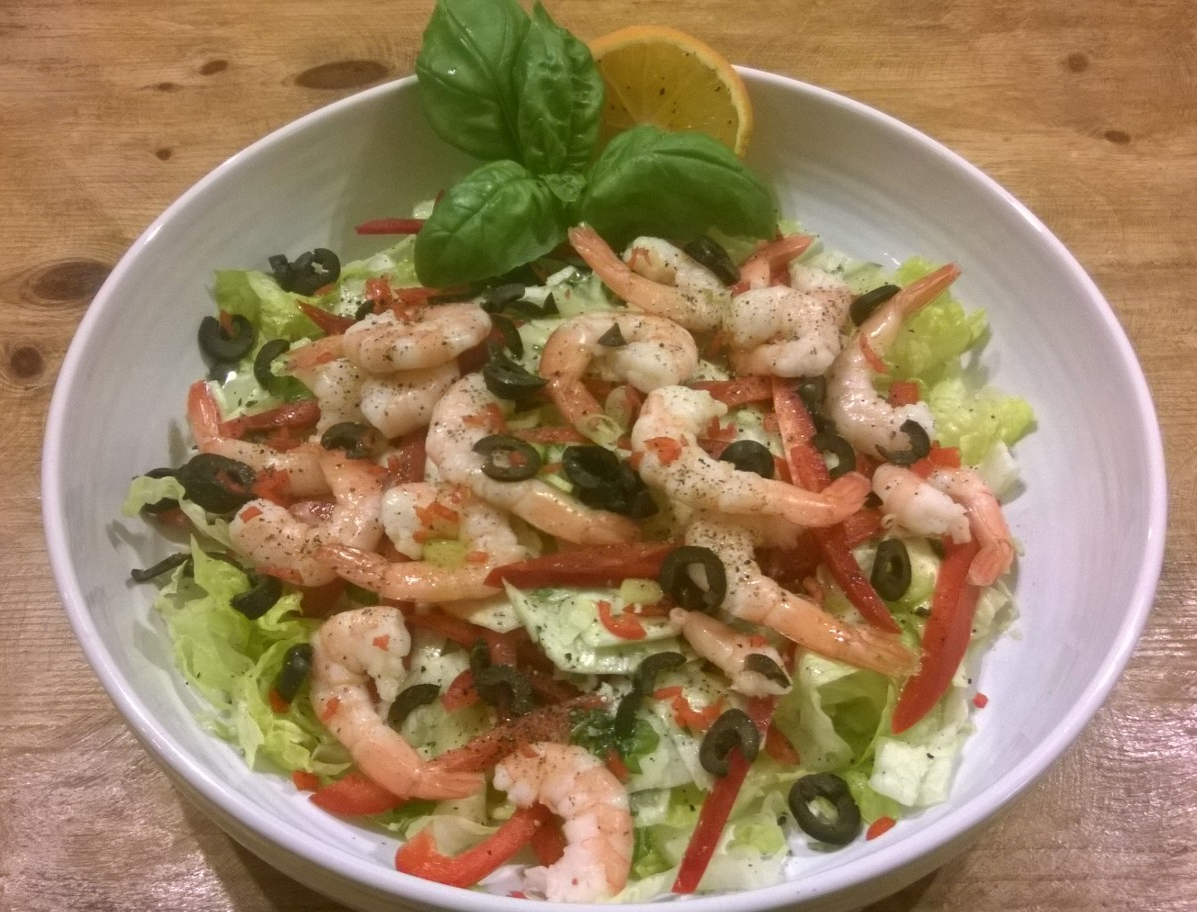
Prawn, Pepper, Parmesan & Celeriac Salad, with Fresh Basil, Olives & Chilli – Refreshingly different, diabetic-friendly, low-carb & delicious!

prawn 2

Few people realise that celeriac can be eaten raw. In many ways, that’s the nicest way to prepare it. Salads based solely on green leaves can sometimes feel a little anaemic. Micro-thin slices of this chewy root vegetable give a salad that all important ‘fill-factor’. This is a rarity for low-carb dishes, so I recommend you try it!

Because the celeriac is eaten raw (and cold), what little carbohydrate there is, is so slow release that diabetics can tuck in without fear of glucose-spikes or any impact to blood-sugar. But above all things; it’s incredibly delicious so give it a go! Perfect as a starter or light lunch, it’s always nice to do something that little bit different; and this dish is certainly that.

Peel your celeriac (the big ugly) then shave into micro-thin slices. You can either do this with a food-processor, mandolin-slicer, or simply just continue with the vegetable-peeler (my preferred option as less washing-up!). Put this into a mixing-bowl and glug on some good quality extra-virgin olive-oil, sufficient to amply coat. Season with rock salt and coarse-ground black pepper, then shave on a liberal quantity of parmesan. Finely chop some fresh basil and add this. Stir and leave to develop in flavour for a least half an hour.

Meanwhile, slice your peppers, olives & chilli, and de-shell your prawns. If you’re not a chilli-fan, feel free to leave it out. You could equally substitute the prawns for any fish, chicken or smoked ham.

Form a bed of lettuce in the bottom of your salad bowl, pile on your celeriac-mix, then scatter your peppers, olives, chilli and prawns over the top. Finish with a final glug of olive-oil and torn basil-leaves. Delectable!

Thanks for reading and bon ap!

Adam.
Rich, Aromatic ‘Quorn’ Tikka Masala with Cauliflower & Scallion Mash. Low-Carb, Ketogenic & Vegetarian! What more do you need?

curry

It’s not often than low-carb & vegetarian go hand in hand. I thought I’d buck that trend with this recipe, and show that it’s not all about red-meat and dairy! This recipe has always been one of my favourites. I love Quorn, and these ‘chicken-style’ pieces are a brilliant freezer staple!

You have to read the packets carefully, as some Quorn products can be high in carbs due to the ‘shaping process’ (it needs a bit of starchy glue to stay together).  These chicken-style pieces are only 1g total carbs per 100g; and that doesn’t include the fibre, which is sky-high!

Curry always needs something ‘bulky’ to spread the intensity and mop up the sauce. Rice or nann have been evicted from the keto-kitchen; so in their place we have cauliflower & scallion mash. It’s warm in flavour and provides that all important ‘fill-factor’!

This recipe is perfect for diabetics, as well as low-carbers! You can naturally substitute the Quorn for meat, and make the dish to any intensity your heart desires (my heart desired scotch-bonnet chillies!).

Chop chilli and garlic, then sauté in a little oil. Add thinly sliced onion and continue to cook on a medium heat for about a minute. Roughly chop green and yellow peppers, plus any other carb-friendly vegetables which take your fancy (comprehensive keto-friendly list available on a separate post). Carry on cooking the mix for a further minute, to ensure that the contents are thoroughly heated through.

At this point, add your spice powder. This can be home-made or bought-in; depending on your preference. A good blend of cumin, coriander, turmeric, ginger, paprika, cardamom & fenugreek is always my mix of choice. It’s so easy to do; plus you can adjust the mix however you like (I’m a huge fan of cumin, so always err heavily on that).

Give the pan a good stir to mix in the powder, and cook for a minute more. Strain a can of tomatoes and add the flesh to the mix, followed by your frozen Quorn and sufficient water to ‘just about cover’ the contents. Crumble in a couple of stock-cubes and leave to reduce the sauce to half is volume. If you have any quick-cook vegetables which you wish to retain their crunch (e.g. mange tout), add them now.

Meanwhile, make the cauliflower & scallion mash. This couldn’t be easier. Chop the cauliflower into large chunks and boil until soft. Add a good whack of butter, cream and chopped spring-onions. Mash with a potato-masher (or a cheating blender); season thoroughly and fine-tune to taste.

Lastly, stir a little natural full-fat yoghurt, butter and double-cream into the curry, plus a little sweetener. The hotter the chillies you use; the greater the requirement for sweetness. The dairy additions have a ‘cooling effect’ plus add richness.

Serve alongside the mash, and garnish with chopped almonds and plenty of chopped coriander. This is one of those dishes where you can’t help but have seconds. And one of the great joys of a ketogenic diet, is that you can do this without the slightest pang of guilt! Enjoy!

With thanks for reading and bon ap!

Adam.
Creamy, Mild, Cauliflower, Celery & Coconut Korma with Griddled Local Scallops & Crevettes. Equally good with chicken, lamb or pork. Low carb doesn’t get much better than this!

WP_20141018_058

This dish was previously part of another post: a ‘starter & main course combo’. I was asked if I could separate the two, to make it easier to search the recipes. This seems like a very good idea, so thank you for the suggestion!

The great thing about this dish, is not just that it’s low carb; the korma can very much stand on it’s own as a main course, or be accompanied by any number of other things. If you’re not a huge fan of seafood; don’t let this stop you giving this a go; you can equally use chicken, pork or lamb to equally stunning effect! All low carb, all diabetic-friendly & delicious!

So start with the korma. Peel and slice an onion, which you then sautee in butter or oil (to your preference). If butter, control the heat so that the butter doesn’ brown. Add chopped garlic and chilli, volume dependent on how strong you like things.

Soften these until the onions are translucent. Then add spices (curry powder if easier). I used cumin, ground coriander, a pinch of ginger, turmeric & fenugreek.

Whilst these are filling the kitchen with a heady aroma, chop your cauliflower and throw into the pan. Do the same with your celery. Pour on a centimetre depth of water and season. Whilst the water is reducing, open a can of coconut milk (make sure it’s full fat) and add half of it to the pan. I then crumbled in a couple of chicken stock-cubes, for ‘warmth’; but these are not essential.

Leave the pan on a low heat for 10 minutes or so, until the coconut milk starts to thicken (see below). Add a tablespoon of ground almonds for texture and body, then stir and give it a good taste.

Depending on how much chilli you’ve put in, the dish will probably need a little sweetening. Xylitol is very much the low-carb, diabetic-friendly sweetener of choice. It’s 100% natural, doesn’t lose its sweetness in cooking (unlike tabletop sweetener) and behaves to all intents and purposes like granulated sugar. I couldn’t praise it enough! Finish off with a handful of chopped herbs (coriander or basil are just perfect).

Whilst the korma is finishing, have your scallops and crevettes marinating in a little olive oil. You can add some garlic to this, if you like.

WP_20141018_065

Place your griddle pan onto the heat and wait until it’s piping hot. First add the prawns and cook for a couple on minutes on one side. Then turn them over and add the scallops. These only take a minute on each side, so the prawns should be cooked to perfection at just the same time as the scallops.

WP_20141018_071 1

A squeeze of lemon-juice and these are ready to be piled next to your korma and demolished! Delicious and nutritious in every way!

Thanks for reading & bon ap!

Adam.

Cajun-Spiced Pork-Belly with Devilled Kale & Beansprouts. Low-carb, minimum effort; maximum reward!

pork

A good Cajun spice-mix is a store-cupboard essential! Shop-ones do the job, but there is nothing like making your own! Feel free to use either for this recipe. I include a quick note below on how to do the mix, should you wish to try it yourself.

I never measure the spices (I’m not that kinda guy!) but it always turns out well. I just judge the volumes as roughly equal by eye. If you like one thing more than the other, adjust accordingly. It’s the small variation in taste each time that makes it a joy to make, and every batch different.

Spice mix: onion-powder, garlic-powder, smoked-paprika, black pepper, dried oregano, dried chilli-flakes, dried thyme, cayenne pepper, salt. Dry-roast in a pan on the hob for 30 seconds to one minute. Grind up to a powder in a coffee-grinder or pestle and mortar if you’re a purist!

Dust the pork-belly slices liberally with your spice-powder and rub it in. Add a little salt to the pork to encourage it to go crisp. Place the pork on a baking-tray and roast in a medium oven for 40 mins to an hour, until the fat has chiefly contracted, and the meat is brown and caramelised all over.

Finely chop garlic, chilli & coriander. Fry briefly in a large pan with a lid. Wash and slice your kale, then add it to the pan. Stir in a stock-cube (veg or chicken) then place the lid back on and cook for a couple of minutes until the kale starts to soften. At this point, throw in your beansprouts, some chopped spring-onion and some finely sliced yellow pepper for colour. Cook for a further 1-2 minutes with the lid on. Adjust seasoning if required then serve up next to the pork, garnished with flaked almonds and more chopped coriander.

Perfect for diabetics and those on a low-carb diet. If your ketogenic tendencies err on the side of ‘paleo’, you could even eat this with your fingers! Either way; enjoy the dish and thank you for reading.

Bon ap!

Adam.

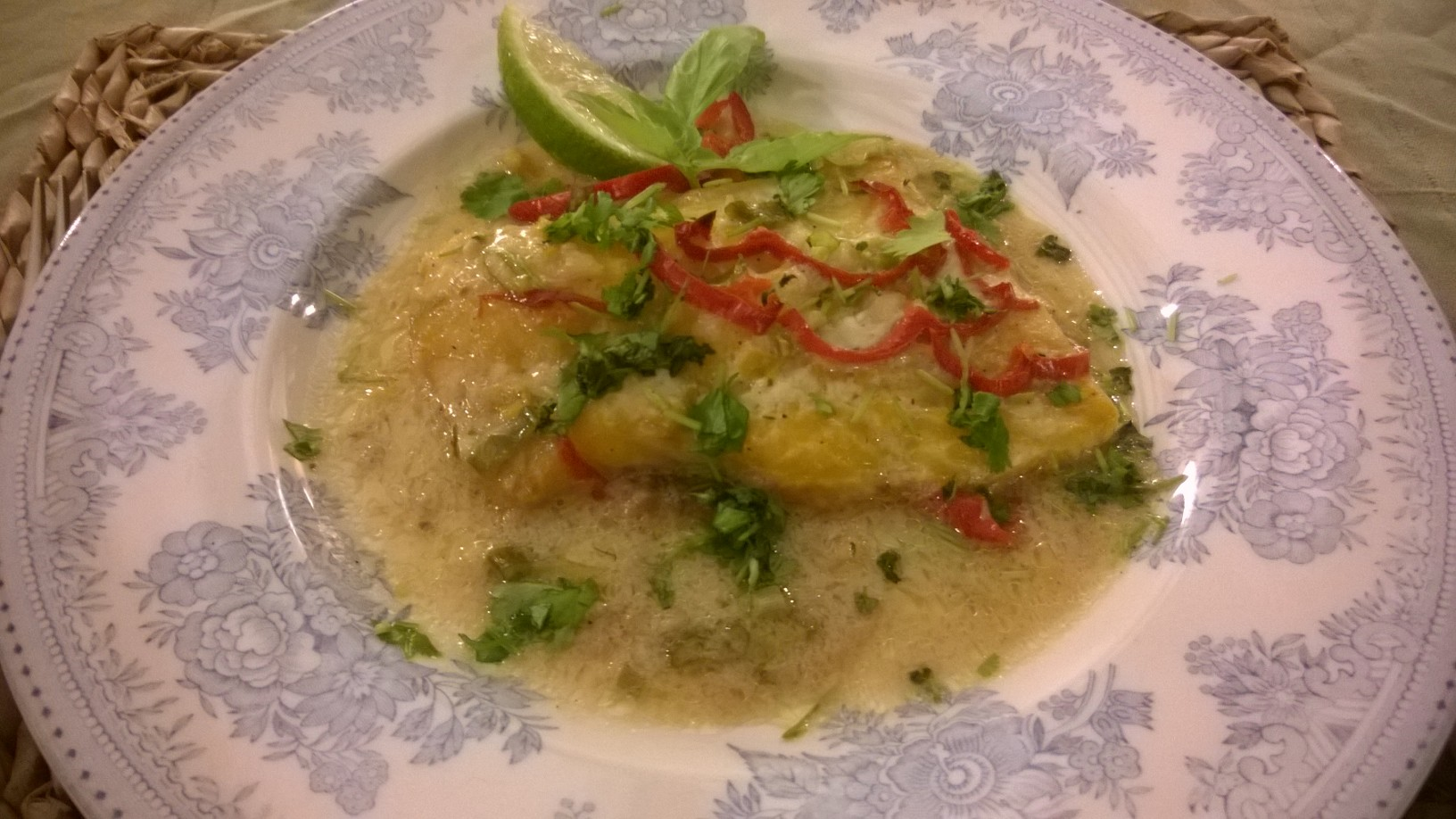
Thai-Style Smoked Cod with Lemon-grass, Coconut Milk & Coriander. A low-carb show-stopper that’s hard to follow!

fish

What this lacks in carbs, it certainly makes up for in taste! When it comes to Thai food, the hotter the better in my book; but you can naturally vary the level of chilli to your own taste.

Smoked fish can carry a lot of flavour; so to me, it works far better in oriental dishes than the unsmoked kind. Coconut & coriander go perfectly together. Complement the lot with a good squeeze of lime, to give it that all important ‘zing’!

Finely chop chilli, garlic, lemon-grass and coriander-stalk with a sharp knife (or blitz in a processor if it’s easier). Fry the mixture in hot oil for a minute, then pour in coconut milk, season and stir. Half a can for two people, a whole can for four. Depending how thick the coconut-milk is that you’re using, you may need to add some water. You want the texture to be like tomato-soup at this stage; not a thin broth! Add a stock cube for warmth of flavour (I always use chicken, even with fish); then reduce in the pan until you have the texture of thick pouring-cream.

Place the fish in a baking-tray with high-sides, then pour on your coconut mixture. Bake in the oven for 20 mins until the fish is cooked through. Serve and garnish with chopped coriander, micro-thin slices of chilli and fresh lime.

This dish can also be done as either starter or main course. Steamed Chinese cabbage with toasted almonds would bulk it up and complement the flavour.

Thanks for reading and bon ap!

Adam.

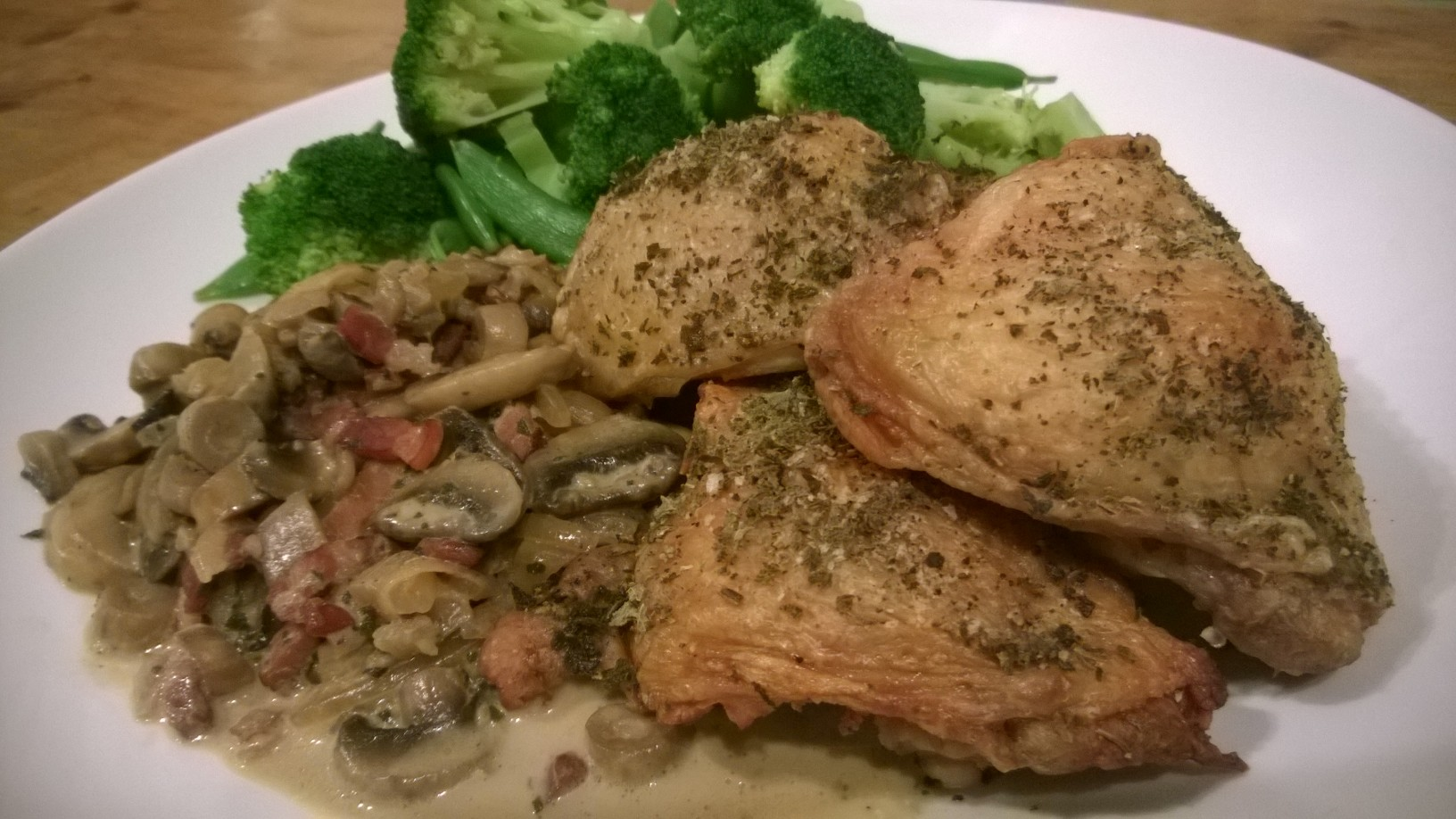
Sage-Roasted Chicken with Creamy Forestière Mushrooms, Broccoli & Sugar-Snap Peas – the perfect low-carb dinner for a blustery autumn night!

chicken

Late home from work again, so needed something I could just ‘let cook’ whilst I unwound and forgot the tensions of the day!

This meal has ‘comfort’ written all over it. The classic combination of garden sage & chicken marries beautifully with the saltiness of smoked bacon and richness of double-cream. Al dente green-vegetables finish it off perfectly, providing that all-important variation in texture & bite. Low-carb, low effort, maximum taste!

So how to make it…

Salt the skins of the chicken with a good quality sea-salt. Add pepper and chopped sage (fresh or dried), then place into a hot oven for minimum one hour until the skins are golden and crisp.

In a sauté pan, brown your diced smoked-bacon / lardons. When they start to caramelise, add a thinly sliced onion and crushed garlic (quantity to preference, I used x2 cloves for 4 portions). You can then stir in some sliced mushrooms. You may need to add some butter / oil to prevent the mix from sticking. Cook on a low heat until all is soft.

Once softened, turn up the heat and de-glaze the pan with a little white-wine or dry vermouth. Why vermouth? It has a strong taste, so you don’t need as much (better for the carb count), plus it can stay in the cupboard and only come out for cooking purposes. Opening a bottle of wine means you need to drink it; and white wine is NOT GOOD on a low carb diet!

Crumble in a chicken stock-cube and pour in enough water so that the vegetables are ‘shoulder-height’ in the pan. Allow to reduce to half its volume.

Meanwhile boil some water for your broccoli and peas. Blanch / steam these for circa 2 minutes then drain. Take the chicken out of the oven and serve alongside the vegetables. Finish the sauce with some double-cream and chopped herbs. Et voila! The perfect low-carb dinner that just begs for seconds!

Thank you for reading & bon ap!

Adam.

Great British ‘Bangers’, Aubergine-Rolls & Garlicky, Buttered Peas & Spinach with Feta – Sublime!

sausages

Low-carb comfort food at its best!

Coarse-ground pork sausages with a hint of sage; matched perfectly with buttery garlic peas & spinach. The sharp, tangy taste of feta ‘lifts’ the dish & freshens it; whilst retaining the all important ‘richness’, that lies at the heart of all comfort-food.

Quick, easy and ‘eat-in-an-armchairable’! Just perfect for those long autumn evenings with a chill in the air.

Slice your aubergine lengthways. Season well & glug on some good quality olive oil. Bake in the oven until soft & caramelised (40-ish mins). 10 minutes into the cooking time, put your sausages into an oven-dish and ‘loosen’ with a little oil to stop them sticking. Place in the moderate oven for half an hour.

Meanwhile, slice an onion & soften in butter until translucent. Add garlic and peas, plus a little water; and cook until the peas lose their resistance. I tend to stir in a stock cube for ‘warmth’ & background flavour, but this is not essential. Add some washed spinach and leave on the hob until wilted. At the very last minute, stir through some double-cream, season and crumble on the feta.

When the aubergine is cool enough to touch, add a slice of ham (or salami), then cheese, and roll into neat butterfly tongues. Place back in the oven for a few minutes to crisp the surface & melt the cheese.

Once all is cooked, pile onto a large plate & dig in! Make sure you prepare enough for everyone to have seconds!

Thanks for reading & bon ap!

Adam.