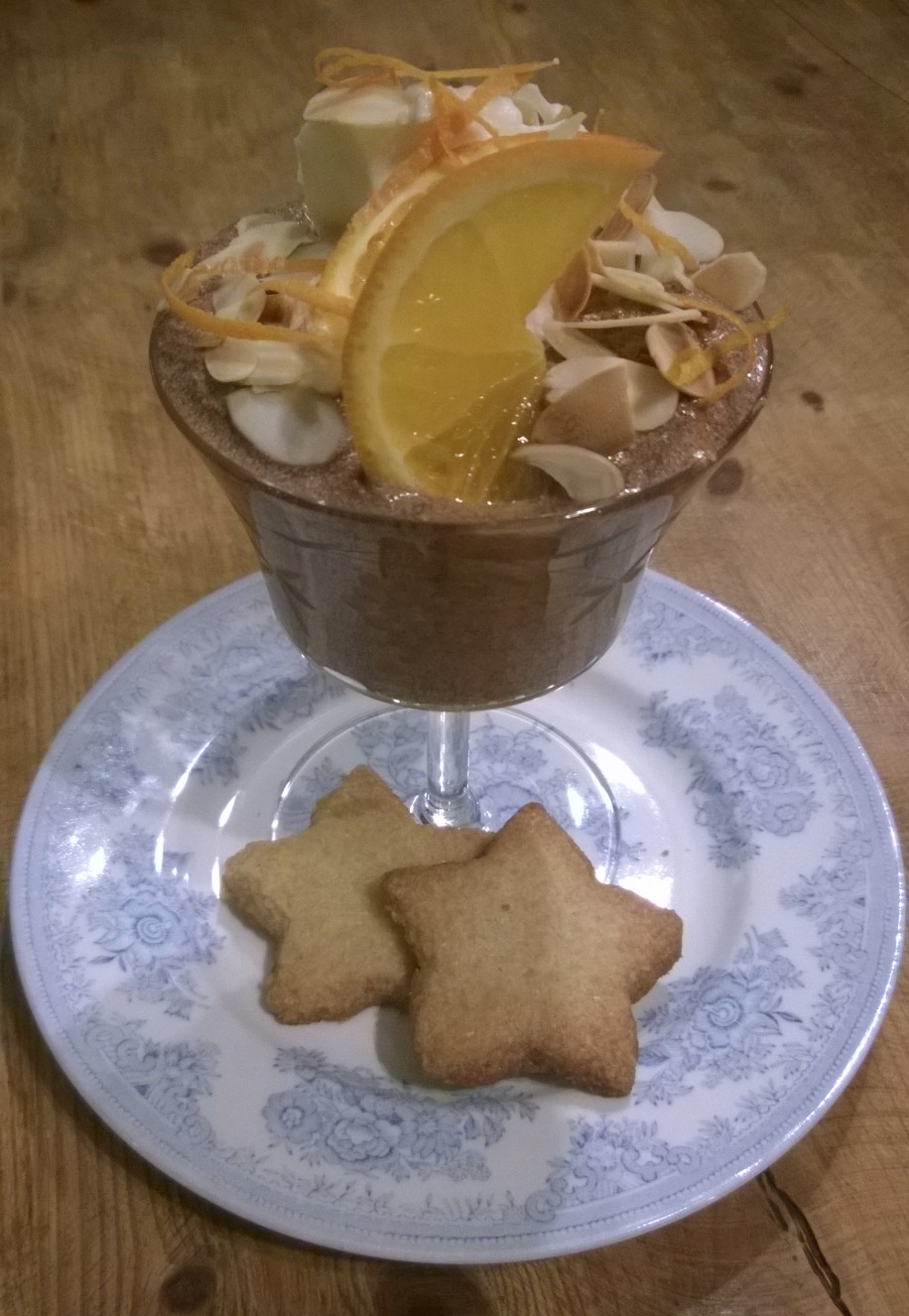
Chocolate-Orange Mousse with Almond Stars – incredibly quick & easy! A diabetic, low-carb pudding that tastes anything but!

pudding

For diabetics and ‘low-carbers’ alike; one of the things you miss most is that baked, ‘cakey’ texture. Although cooked like biscuits; these almond stars have the mouth-feel of dense cake. You can obviously make this dish without them, but the variation in texture provides a welcome change, and rolling out dough is such a rare treat nowadays as to be seized by the horns at every opportunity!

Start with the biscuits. Cream 2oz unsalted butter with 2oz Xylitol. This is the only sweetener I have found which is 100% natural, doesn’t lose its sweetness through cooking & behaves exactly like sugar in cakes. It’s granulated, so creams exactly the way a traditional caster sugar would. I can’t praise it enough!

Please note – always use your hands for making cakes / biscuits. The warmth of your hands makes the butter so much more workable and it’s the only way to truly ‘feel’ for lumps. Your hands are nature’s whisk. Use them!

Once butter & sugar are light and fluffy, mix in 4oz ground almonds. Roll dough out quickly to prevent it sticking to the roller. Cut into whatever shapes you like and bake for 20 mins in a moderate oven until the surface starts to go golden. At this point, they’ll still be very soft to the touch, but will harden up as they cool.

For the mousse, add to a mixing-bowl half volume of mascapone to double-cream. Judge all volumes by eye as to ‘how much mixture you wish to end up with’. Pour a little hot water onto your sweetener to prevent it being grainy, then add to the mix. Sieve in a good tablespoon of cocoa powder & a splash of orange-oil or essence. Whisk up until thick and heavy, checking finally for sweetness & flavour. Make any adjustments necessary e.g. more orange, sweetener or cocoa to preference.

Spoon into bowls and top with a little whipped cream and toasted almonds. Cool in the fridge until your biscuits are room-temperature; then dig in!

Thanks for reading and bon ap!

Adam.

Cajun-Spiced Pork-Belly with Devilled Kale & Beansprouts. Low-carb, minimum effort; maximum reward!

pork

A good Cajun spice-mix is a store-cupboard essential! Shop-ones do the job, but there is nothing like making your own! Feel free to use either for this recipe. I include a quick note below on how to do the mix, should you wish to try it yourself.

I never measure the spices (I’m not that kinda guy!) but it always turns out well. I just judge the volumes as roughly equal by eye. If you like one thing more than the other, adjust accordingly. It’s the small variation in taste each time that makes it a joy to make, and every batch different.

Spice mix: onion-powder, garlic-powder, smoked-paprika, black pepper, dried oregano, dried chilli-flakes, dried thyme, cayenne pepper, salt. Dry-roast in a pan on the hob for 30 seconds to one minute. Grind up to a powder in a coffee-grinder or pestle and mortar if you’re a purist!

Dust the pork-belly slices liberally with your spice-powder and rub it in. Add a little salt to the pork to encourage it to go crisp. Place the pork on a baking-tray and roast in a medium oven for 40 mins to an hour, until the fat has chiefly contracted, and the meat is brown and caramelised all over.

Finely chop garlic, chilli & coriander. Fry briefly in a large pan with a lid. Wash and slice your kale, then add it to the pan. Stir in a stock-cube (veg or chicken) then place the lid back on and cook for a couple of minutes until the kale starts to soften. At this point, throw in your beansprouts, some chopped spring-onion and some finely sliced yellow pepper for colour. Cook for a further 1-2 minutes with the lid on. Adjust seasoning if required then serve up next to the pork, garnished with flaked almonds and more chopped coriander.

Perfect for diabetics and those on a low-carb diet. If your ketogenic tendencies err on the side of ‘paleo’, you could even eat this with your fingers! Either way; enjoy the dish and thank you for reading.

Bon ap!

Adam.

Thai-Style Smoked Cod with Lemon-grass, Coconut Milk & Coriander. A low-carb show-stopper that’s hard to follow!

fish

What this lacks in carbs, it certainly makes up for in taste! When it comes to Thai food, the hotter the better in my book; but you can naturally vary the level of chilli to your own taste.

Smoked fish can carry a lot of flavour; so to me, it works far better in oriental dishes than the unsmoked kind. Coconut & coriander go perfectly together. Complement the lot with a good squeeze of lime, to give it that all important ‘zing’!

Finely chop chilli, garlic, lemon-grass and coriander-stalk with a sharp knife (or blitz in a processor if it’s easier). Fry the mixture in hot oil for a minute, then pour in coconut milk, season and stir. Half a can for two people, a whole can for four. Depending how thick the coconut-milk is that you’re using, you may need to add some water. You want the texture to be like tomato-soup at this stage; not a thin broth! Add a stock cube for warmth of flavour (I always use chicken, even with fish); then reduce in the pan until you have the texture of thick pouring-cream.

Place the fish in a baking-tray with high-sides, then pour on your coconut mixture. Bake in the oven for 20 mins until the fish is cooked through. Serve and garnish with chopped coriander, micro-thin slices of chilli and fresh lime.

This dish can also be done as either starter or main course. Steamed Chinese cabbage with toasted almonds would bulk it up and complement the flavour.

Thanks for reading and bon ap!

Adam.

Keto-NO-NOs; Keto-GO-GOs… Vegetables

‘Ketogenic Shopping’ is fairly straightforward.

At the start however, it can help to have a list of the good things to buy (keto-GO-GOs) and the things which are higher in carbs, thereby posing risks to ketosis (keto-NO-NOs)!

For specific foodstuffs, the New Atkins Carb Counter is a brilliant tool! It calculates the ‘net carbs’ of any food for you; which can often take away the guesswork! (More on ‘net carbs’ in a later post…)

In this blog, I aim to provide a quick reference-guide as to what to put into your shopping-basket; starting this week with vegetables.

As the guide is ‘quick reference’, it doesn’t detail the exact carb-count per item; rather groups them into three classifications:

  • Keto-GO-GO-GO: 2g or less
  • Keto-GO-GO: 5g or less
  • Keto-GO: 8g or less
  • Keto-NO-NO: 8g or more!

The below details ‘total carbs’ (not net). The reason for this? Net carbs will always be a lower figure. If you start with the higher of the two, you’ll never go wrong!

Keto-GO-GO-GO! – under 2g total carbs (not net) per 100g:

Bamboo Shoots

Broccoli (Green & Purple)

Cabbage (Green, Spring, Chinese not Red!)

Celery

Courgette

Kale

Cucumber

Chicory

Fennel

Lettuce (Romaine, Cos, Iceberg & other ‘Leafy Greens’)

Marrow

Radishes

Spinach

Watercress

Keto-GO-GO! – under 5g total carbs (not net) per 100g:

Artichoke (Globe – Boiled or Tinned)

Aubergine

Asparagus (Boiled & Canned)

Avacado

Beansprouts

Beetroot (Raw, not Pickled or Cooked)

Brussels Sprouts

Cabbage (Red, Savoy, White)

Chard

Green Beans

Green Peppers (Capsicum)

Cauliflower

Celeriac (Americans call Celery-Root)

Baby Sweetcorn (not Boiled or Tinned)

Endive

Kohlrabi

Leeks

Mushrooms

Okra

Olives

Peas

Pumpkin (Raw)

Tomatoes (Tinned, Cherry & Salad)

Turnips

Keto-GO! – under 8g total carbs (not net) per 100g:

Beetroot (Pickled)

Red Pepper (Capsicum)

Carrots (Boiled & Raw)

Onions

Butternut Squash

Water-Chestnuts (Tinned)

Keto-NO-NOs – over 8g total carbs (not net) per 100g. Best avoided on a ketogenic diet!:

Jerusalem Artichoke

Beetroot (Boiled)

Cassava

Sweetcorn (Tinned or Boiled, not Baby)

Potatoes (All)

Parsnip

Sweet Potato

Yam

If you look at the GO-GO sections, you’ll notice that anything green will pretty much be fine to eat!

How much of these should you eat?

GO-GO-GO: the name says it all! As much as you like!

GO-GO: a healthy portion-size (picture a handful), but don’t overdo it!

GO: be a little sparing. A small handful, especially when you’re trying to lose weight.

NO-NO: need I say more?

I hope this helps and thanks for reading,

Adam.

The calm AFTER the storm…

The daily walk’s been a little cheerier this morning.

The wind and rain have thankfully died down. It seems I’m not the only one to be glad of this fact…

deer

Thanks for reading,

Adam.

The slow onset of diabetes…

Finding out that Nicholas James was diabetic was a huge shock! It took us totally by surprise.We’d never dreamt it happened to people ‘our age’ and had always assumed it was a ‘lifestyle’ thing.

In short, we knew nothing about it! Summer 2013 saw the start of a long and unwelcome learning curve.

But enough from me… NJ was the one experienced it; far better to let him tell it in his own words!

I’m 31 now, and I have been diabetic for only one year, which surprises many people, not least the nurses in the endocrinology department. It’s uncommon but certainly not unheard of for a person to become a Type 1 diabetic after childhood, despite the condition also being known as ‘Juvenile Onset Diabetes’, as the average age for acquisition is 14. It remains a mystery to this day why I got it, or took so long to get it – it certainly doesn’t run in my family. After much thought and pointless deliberation I can only assume that, and I think Adam would vouch for this, I just took a very long time to grow up.

My story begins in August 2013, a couple of weeks into my school summer holiday. As a teacher who had just finished a very busy Summer Term, I wasn’t surprised to be feeling rather tired and lethargic, it’s often the case that the ‘full burn’ of a hectic job only catches up with you when you finally stop for a break. However in addition to this, I had a creeping thirst that slowly, over the course of a couple of weeks, became unquenchable despite drinking pints of water at a time. Again, it was the summer, and a particularly hot one at that, so I just put it down to the heat and the extra exercise I was attempting to fit into my day.

I say ‘attempting’, because I couldn’t believe how hard it had become to do just a basic run. My usual routine of running down to the end of the drive and round the village (a route of about 2 miles) had become a laborious and exhausting trial. I remember one day, just half way to the village, I had to stop and sit amongst the cow parsley on the verge. I was sweating profusely, dizzy, shaking and my heart beat was racing. It felt like I had quite simply run out of all energy. Fortunately a neighbour happened to be driving past and upon seeing me, stopped and said through her open window, “Christ Nick, you look like death.”

Again, I ignored the signs, and put it down to tiredness and heat. She offered to drive me home, but I insisted I would walk back, even though my calf and thigh muscles were now beginning to ache and cramp.

Another reason I was tired was because I was getting up at least twice a night to go for a wee, which interrupted my good night’s sleep. I had no explanation for this, maybe it was the heat, maybe it was the amount I was drinking because of the heat, maybe it was because I was soon to turn 30 and midnight visits to the bathroom were, in my mind, something that just happens when you get over that hill!!!

The final straw happened when I went to visit my sister down in Buckinghamshire a week later. She hadn’t seen me for a couple of months and during our initial hug she put her arms around me and jokingly said “God Nick, where have you gone?”  Weighing myself in her bathroom, I had indeed shrunk down to just under 11 stone from my regular 12.5. I had been aware of some weight loss, but my excuse this time? I put it down to the extra healthy summer diet I was on working particularly well.

My sister wasn’t convinced. Especially when I told her about the other strange things I’d been experiencing. Upon her insistence, I booked an appointment with my GP the following week, who took a urine and blood test. The results confused me a little. A little stick she dipped in my urine turned dark purple and my blood came back with a score of 31…both of which meant nothing to me. She explained, “The purple colour shows that there are a lot of ketones in your urine, a sign that you are burning your own fat for fuel because your body can’t make energy from the food you’re eating, as a result your blood is full of glucose, unable to go anywhere. A normal level is should be about 6. You are diabetic.”

I was stunned. “So, I’ve got Type 2, I need to eat different food to make me better?”

“No. I’m afraid it’s not that simple. You have Type 1, which means…” She paused, “Brace yourself. The next few months are going to be a bit of a rollercoaster, your life is going to be very different.”

I sat in shock thinking about all the things she was hinting at. Daily injections, sugar crashes, blood testing. No more cake and biscuits.

What followed was a bizarre week in hospital being treated for ketoacidosis. It turns out that it wasn’t just my fat that had been depleted, but in an urgent attempt to survive, my body had started breaking down my major organs. I was more or less eating myself, and within another week or two, I’d have been in a coma and possibly dead.

I have gone on to learn a lot about diabetes over the last year, but no lesson has been as important as the first: don’t ignore the symptoms. The strange thing is, I remember feeling perfectly well at the time of that first visit to my GP, and I was worried I’d be wasting her time. When she said I’d have to go to hospital, I said I could drive myself, but she shook her head. “Not in your condition.”

That’s when the gravity struck me.

It was a difficult adjustment but he’s come on in leaps and bounds! We’re all incredibly proud of him and keen to see what a ketogenic diet can offer for the future!

More from Nick when he’s finished the washing-up…!

Thanks for reading,

Adam.
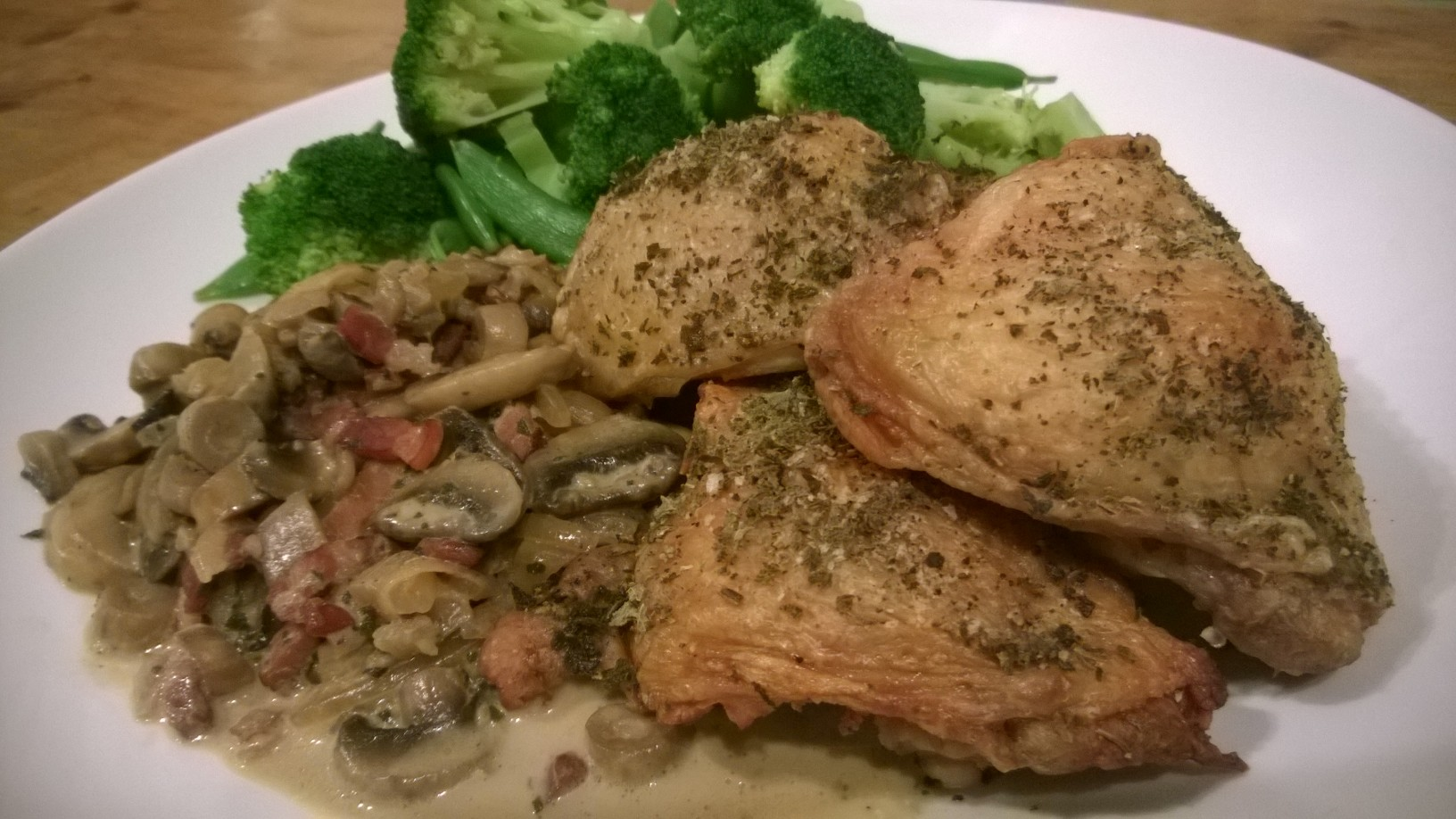
Sage-Roasted Chicken with Creamy Forestière Mushrooms, Broccoli & Sugar-Snap Peas – the perfect low-carb dinner for a blustery autumn night!

chicken

Late home from work again, so needed something I could just ‘let cook’ whilst I unwound and forgot the tensions of the day!

This meal has ‘comfort’ written all over it. The classic combination of garden sage & chicken marries beautifully with the saltiness of smoked bacon and richness of double-cream. Al dente green-vegetables finish it off perfectly, providing that all-important variation in texture & bite. Low-carb, low effort, maximum taste!

So how to make it…

Salt the skins of the chicken with a good quality sea-salt. Add pepper and chopped sage (fresh or dried), then place into a hot oven for minimum one hour until the skins are golden and crisp.

In a sauté pan, brown your diced smoked-bacon / lardons. When they start to caramelise, add a thinly sliced onion and crushed garlic (quantity to preference, I used x2 cloves for 4 portions). You can then stir in some sliced mushrooms. You may need to add some butter / oil to prevent the mix from sticking. Cook on a low heat until all is soft.

Once softened, turn up the heat and de-glaze the pan with a little white-wine or dry vermouth. Why vermouth? It has a strong taste, so you don’t need as much (better for the carb count), plus it can stay in the cupboard and only come out for cooking purposes. Opening a bottle of wine means you need to drink it; and white wine is NOT GOOD on a low carb diet!

Crumble in a chicken stock-cube and pour in enough water so that the vegetables are ‘shoulder-height’ in the pan. Allow to reduce to half its volume.

Meanwhile boil some water for your broccoli and peas. Blanch / steam these for circa 2 minutes then drain. Take the chicken out of the oven and serve alongside the vegetables. Finish the sauce with some double-cream and chopped herbs. Et voila! The perfect low-carb dinner that just begs for seconds!

Thank you for reading & bon ap!

Adam.

Cholesterol – when it’s good it’s very very good; when it’s bad it’s horrid!

The science behind weight-loss can be a little intimidating! Every time I try to research the bits I don’t understand; the explanations uncover 50 more things I’ve yet to learn! The terminology is often complex & confusing; and the experts all disagree in their viewpoints. Never more so than with cholesterol.

This blog attempts to relay my own understanding of the science. It relates the basics from my own personal perspective & reading. I preclude the below with the statement that I have no medical or scientific training. If I’m wrong on any of this, then readers’ corrections will help improve my knowledge and are gratefully received!

So here goes…

Cholesterol is a fat (or lipid, to use the scientific term!). It’s present in all cells, in the form of cell-membranes. It also helps make vitamin D, hormones & bile acid for use in digesting fat in the intestines.  To reach all the places it’s needed, it travels around in the body’s own ‘high-speed motorway’; the bloodstream.

If you’ve ever tried to combine oil & water, you’ll have noticed that the two don’t mix. Because cholesterol is a fat & your blood is water-based; the very same principal applies. Fat would just be floating around in your blood-stream in lumps. We couldn’t utilise it for it’s purpose (the construction of cell-membranes, hormones & intestinal bile-acids) & I suspect our blood would become a little bit messy! (I’m picturing washing-up water, after pans have been soaking overnight).

To allow the fat to cohesively travel through the blood, the body encapsulates it in protein. This makes it a definitive ‘particle’, rather than just a blob of free-flowing oil. These particles of fat in ‘protein-wetsuits’ are called ‘lipoproteins’. The proteins which form the wetsuit have a rather pleasing name: apolipoproteins. The same process is applied to all fats in the bloodstream.

The protein-wetsuit should potentially be termed a ‘submarine’, because it’s made to carry more than just cholesterol. Along for the ride are 2 other things: triglycerides (produced from the food we eat) & phospholipids (the ‘glue’ which holds the whole lot together).

Our lipoproteins contain varying ratios of fat to protein. Some have more, some have less. It’s the ‘density’ of this fat-to-protein which determines the type of cholesterol. There are many different forms of lipoprotein, but the two we shall focus on here are ‘High-Density Lipoproteins’ (HDLs) & ‘Low-Density Lipoproteins’ (LDLs). Particles with more fat and less protein have a lower density. Particles with more protein & less fat have a higher density. It’s therefore the ratio of protein to fat which determines whether the particle is HLD or LDL.

In most people, 60-70% of cholesterol is carried in LDLs. These act as a taxi-service; transporting the cholesterol to where it’s needed. The important part here, is the statement ‘where it’s needed!’. If we have too many LDLs then we effectively have more cholesterol than the body requires. What does it do with the excess? It dumps it in the arteries as plaque, which then builds up and can cause blockages. This is the link between cholesterol & heart-attacks. A blockage in the blood-supply to the heart.

Because of this, LDLs are typically termed the ‘bad cholesterol’. They carry more fat than protein, & therefore pose a risk of blocking arteries if we have more cholesterol than the body can use.

If LDLs are ‘bad’, then why does this post mention ‘good cholesterol’? Is there such a thing?

Every cloud has a silver-lining. The ‘cholesterol silver-lining’ is HDLs.

Because these contain more protein & less fat, the taxi still has room for a few more passengers! HDLs are like a taxi-driver on a sunny Wednesday afternoon. They cruise around, looking for work! When HDLs encounter a bit of excess cholesterol, they pick it up from the cells & tissues, and take it straight back to the liver. The liver then unpacks it and either uses it to make bile or recycles it. It’s a self-perpetuating process where the body conducts its own clean-up exercise. If only my washing-up did the same…

But what’s this got to do with the ketogenic diet?

A high-fat diet will naturally raise cholesterol-levels. What’s important to understand is that a high-fat diet also raises the good HDLs! Raising your HDL-levels increases your body’s ability to scour bad cholesterol from the bloodstream. This makes our bodies more efficient at removing excess fat and bad cholesterol. The higher your HDL level, the less ‘bad cholesterol’ you’ll have in your blood! And that means fewer blockages which cause heart disease.

But what about the bad cholesterol. Doesn’t this just go up too?

Remember our submarine? Cholesterol was not the only thing contained in our lipoproteins. We also have phospholipids & triglycerides.

If you remember from our introduction to ketosis; insulin enables the conversion of food into energy, and stores away what energy we don’t use in the form of fat. Well, that excess energy is derived from glucose. When your body has more glucose than it requires, insulin prompts the liver to convert glucose into triglycerides (the second passenger in our submarine).

If you restrict dietary-carbohydrate (thereby glucose); you decrease insulin-levels.

If you decrease insulin (which converts glucose to triglycerides); you decrease triglyceride-levels.

If bad cholesterol is made up of high fat lipoproteins (LDLs); then lower triglyceride-levels mean less bad cholesterol in the blood!

Restricting dietary-carbohydrate prevents the conversion of glucose into the fatty triglycerides which contribute to bad cholesterol. If you ‘up’ your fat levels & reduce your carbs; you raise HDL levels, which in turn removes bad cholesterol from the blood. LDLs are reduced because you’re not producing fat from glucose.

I hope that about covers it. The process is hugely complicated and I’ve gleaned this from many different sources (all of which seem to contradict one-another). I naturally have a lot more to learn, so any comments which can increase my understanding will be hugely welcome!

Thanks for reading,

Adam.
A blustery day in the State of Ketosis…

The news-reports say we should be bracing ourselves for the ‘tail end of hurricane Gonzalo’!

It certainly feels like we’re in for a spot of turbulence, that’s for sure!

‘Bracing’ is the right word for it. ‘Invigorating’ would be another…

All weathers have their charm however; though I’m glad I’m not a leaf!

Thanks for reading and enjoy the day,

Adam.

P.S. – can you spot NJ…?

leaves

Great British ‘Bangers’, Aubergine-Rolls & Garlicky, Buttered Peas & Spinach with Feta – Sublime!

sausages

Low-carb comfort food at its best!

Coarse-ground pork sausages with a hint of sage; matched perfectly with buttery garlic peas & spinach. The sharp, tangy taste of feta ‘lifts’ the dish & freshens it; whilst retaining the all important ‘richness’, that lies at the heart of all comfort-food.

Quick, easy and ‘eat-in-an-armchairable’! Just perfect for those long autumn evenings with a chill in the air.

Slice your aubergine lengthways. Season well & glug on some good quality olive oil. Bake in the oven until soft & caramelised (40-ish mins). 10 minutes into the cooking time, put your sausages into an oven-dish and ‘loosen’ with a little oil to stop them sticking. Place in the moderate oven for half an hour.

Meanwhile, slice an onion & soften in butter until translucent. Add garlic and peas, plus a little water; and cook until the peas lose their resistance. I tend to stir in a stock cube for ‘warmth’ & background flavour, but this is not essential. Add some washed spinach and leave on the hob until wilted. At the very last minute, stir through some double-cream, season and crumble on the feta.

When the aubergine is cool enough to touch, add a slice of ham (or salami), then cheese, and roll into neat butterfly tongues. Place back in the oven for a few minutes to crisp the surface & melt the cheese.

Once all is cooked, pile onto a large plate & dig in! Make sure you prepare enough for everyone to have seconds!

Thanks for reading & bon ap!

Adam.

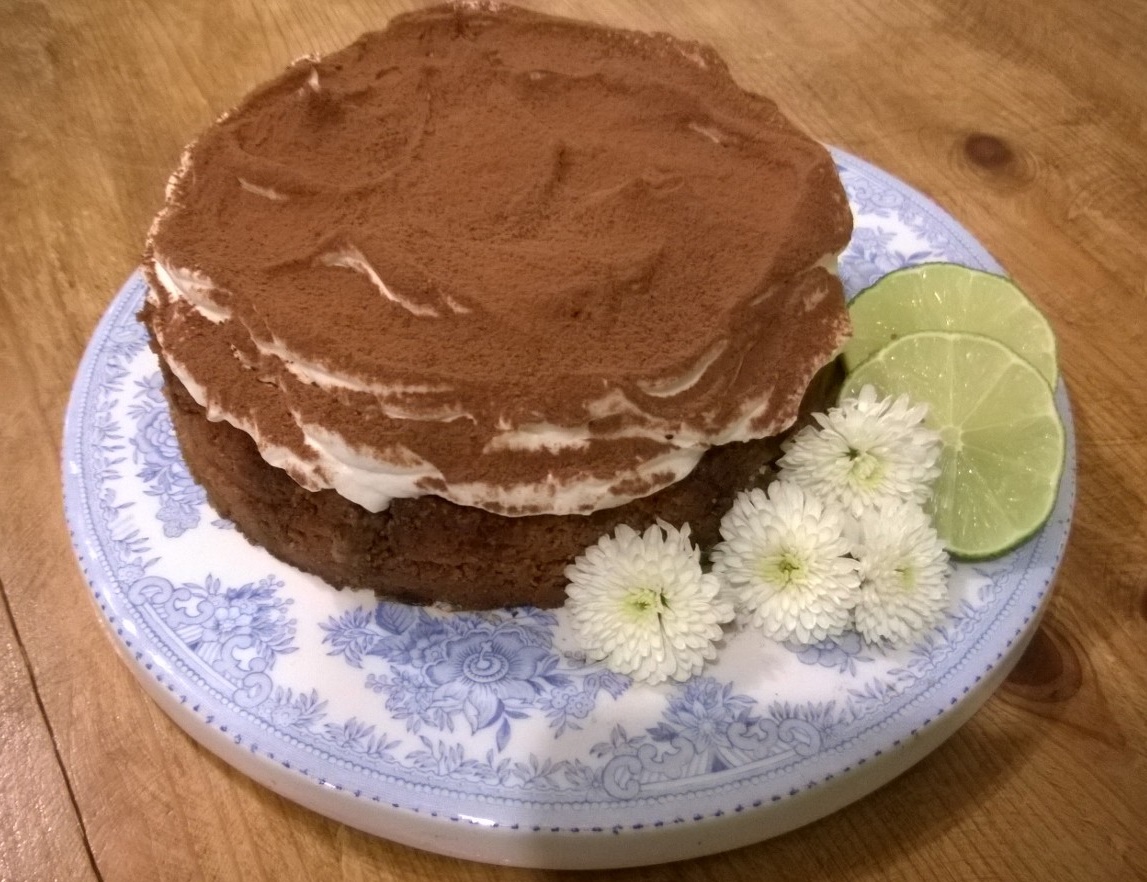
Tira Misu Cake – the ultimate low-carb, diabetic dessert! Rich, dark & luxurious – tasting is believing!

tira misu cake

Who needs carbs? This tira misu cake is every bit as good as its traditional full-carb cousin; just in cake form! It’s perfect for diabetics or those on a ketogenic diet, & couldn’t be simpler to make!

I haven’t put a pudding on this blog yet, so I was determined to go for one of my favourites. This recipe is incredibly morish. Because it’s make with almonds, it has that rich, moist, heavy denseness, which is decadent & indulgent; but also gratifying & filling.

And the cherry on the cake? No carbs! It’s amazing to think you can eat this kind of thing on a diet! The ketogenic diabetic can also dig in without guilt. A true winner!

So how to do it?

The cake-base is best made the day before (unless you have a long leisurely day ahead of you). Quantities can also be doubled to make a larger cake.

Cream 4oz of unsalted butter and 4oz Xylitol sweetener in a mixing-bowl. Two comments to make here: firstly, Xylitol. This is the only sweetener I have found which is 100% natural, doesn’t lose its sweetness through cooking & behaves exactly like sugar in cakes. It is granulated, so creams exactly the way a traditional caster sugar would. I cannot praise it enough!

Second comment? Always use your hands for making cakes. The only part where you need a utensil is when folding in the dry-ingredients. The warmth of your hands makes the butter so much more workable and it is the only way to truly ‘feel’ for lumps. Your hands are nature’s whisk. Use them!

So once the butter & sugar are light & fluffy, incorporate 2 beaten eggs with vanilla extract mixed in. Don’t worry if the mixture curdles slightly; if it does, I have still never made a bad cake through that happening! Once the mix is as smooth and aerated as you can get it, fold in 4oz of ground almonds.

Into a lined cake tin it goes, to bake in a moderate oven until lightly golden and firm on top. I have a Rayburn / Aga; so cooking time is less essential than in a fan or gas oven. I should imagine gas mark 4, or 180 degrees for 30-40 minutes. Take out of the oven and leave to cool until it is ‘convincingly’ room-temperature.

To make the topping, boil a little water and add circa 2 table-spoons of Xylitol / sweetener into a mixing bowl. Pour on the same quantity of hot water so that the sugar loses its graininess (nothing worse than icing with a bite!). Add to this a tablespoon of orange-liqueur or brandy (this is where your only real carbs will come from), 2 table-spoons of mascapone & the same volume of whipping-cream by eye. Whisk up with a strong elbow, until the mix is stiff and spreadable. You can use an electric whisk / blender, but please note: I consider that cheating! Check the taste to adjust the sweetness / booziness to your preference.

If you have a larger cake (or lots of patience) you can slice the cake horizontally to put filling in the middle. This does look a lot more ‘sumptuous’ but beware; almond cakes are far crumblier than their flour counterparts. Be prepared for a bit of cracking and re-sticking if you attempt this! Because it’s a Monday night, and mine is only a 4oz cake; I have chosen to just put the icing on top.

Whichever route you take, the cake-layers will require addition of coffee & liqueur. With a sharp knife, spear the cake so that the liquid has plenty of holes to run into. With a soup-spoon, ladle on coffee (strong instant or espresso) then your liqueur. Volume is to preference. I like it strong, but this will equally affect the texture. If you wish for a drier cake, then add less liquid. As a guide, I used about 8 tablespoons of coffee & 4 tablespoons of liqueur.

Once the cake is ‘dowsed’, spread the icing in as generous proportions as you can get away with, without being gratuitous. Place cocoa powder into a sieve or tea-strainer and give the finished article a thick and luxurious dusting.

The only thing left to say… Enjoy!

Thank you for reading,

Adam.

Week 3 – Sun 19th October

Well, I’m three weeks in now. Just to remind you all, I started the ketogenic diet at 15 stone, 10 pounds. My goal is 12 & a half stone, by mid-March 2015. This means a target weight-loss of 2lb per week.

Week Three’s target weight therefore? 15 stone, 4 pounds. Waistline measurement only once a month, so not this week.

I step onto the scales…

The previous week had been a huge disappointment! I’d been reading around the subject & had learnt that long-term carbohydrate-restriction requires increased levels of saturated fat to deliver sufficient calories. Obviously, I’m not yet in a state of ‘long-term carbohydrate-restriction’ – I’m still trying to lose weight; not maintain it! As a result of that misunderstanding, I’d upped the saturates and gained a pound. This at least was my theory.

Over the last week, I’ve aimed to assess the validity of that assumption and have ceased adding additional saturates. I’ve still been using liberal quantities of butter, cream & oil; I’ve simply not been adding these to my food where they’re not strictly needed. Has this worked?

15 stone, 4 pounds. Bang on target & a 3lb reduction from last week! I’m pleased, and really rather thankful! I’ve recovered any ground I’d lost and feel a lot better within myself. I’m now 6 pounds lighter than I was three weeks ago.

There is a stage of weight-loss where you start to feel a bit slimmer. I’m noticing this around my middle, lower back, chest & around the top of my arms. Obviously I’ve not measured this with a tape-measure; but I’m hopeful that ‘hard-fact’ will substantiate this in a week’s time when I take the first month’s measurements.

In addition to feeling that I’m making progress; how have I found it? Are there still side-effects from all this?

The headaches are still there occasionally, but almost all but gone.  Energy levels are up & I feel more of a spring in my step. I certainly feel more active! Mood is improving. I’m less grumpy, & the fact this seems to be working is definitely boosting my optimism.

Ketosis seems to carry with it a need for increased quantities of water. I’m still thirsty a lot of the time. I don’t know whether this has to do with ‘losing weight as the fat cells deplete’; or whether it’s a side-effect of the ketosis itself. Nicholas-James is also experiencing increased thirst-levels & the perceived rise in body temperature that I’d alluded to in earlier posts.

All in all, it’s been a good week. Motivation is still strong; if anything, it’s growing!

There are certain things I miss (trips to pub to drink beer mainly) but the increase in well-being more than makes up for this.

Next week, I’m hoping to push through the ‘half a stone’ barrier within one month. That only requires one additional pound from here on in, so if I stay in ketosis & keep focused, this should be more than possible.

Please do ‘look in’ on me next week, to see if I meet my targets. I find it really positive to have people read this – the support is a massive encouragement!

Thanks for reading, and have a great week,

Adam.

Sunrise through the hawthorns; long shadows in the dew…

The pictures say it all!

WP_20141020_001 1

WP_20141020_002 1

WP_20141020_005

WP_20141020_006

Thanks for reading and enjoy the day,

Adam.

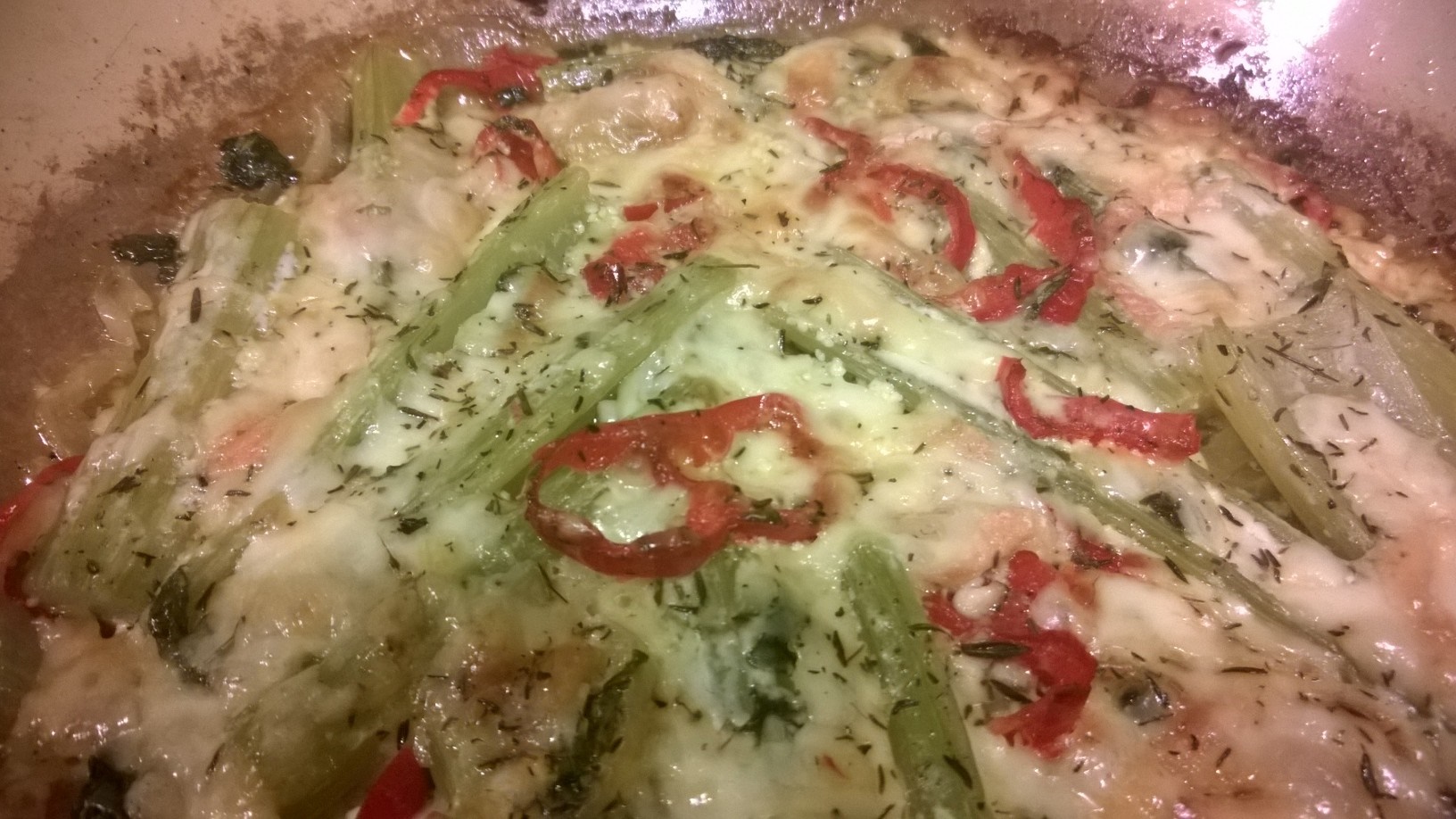
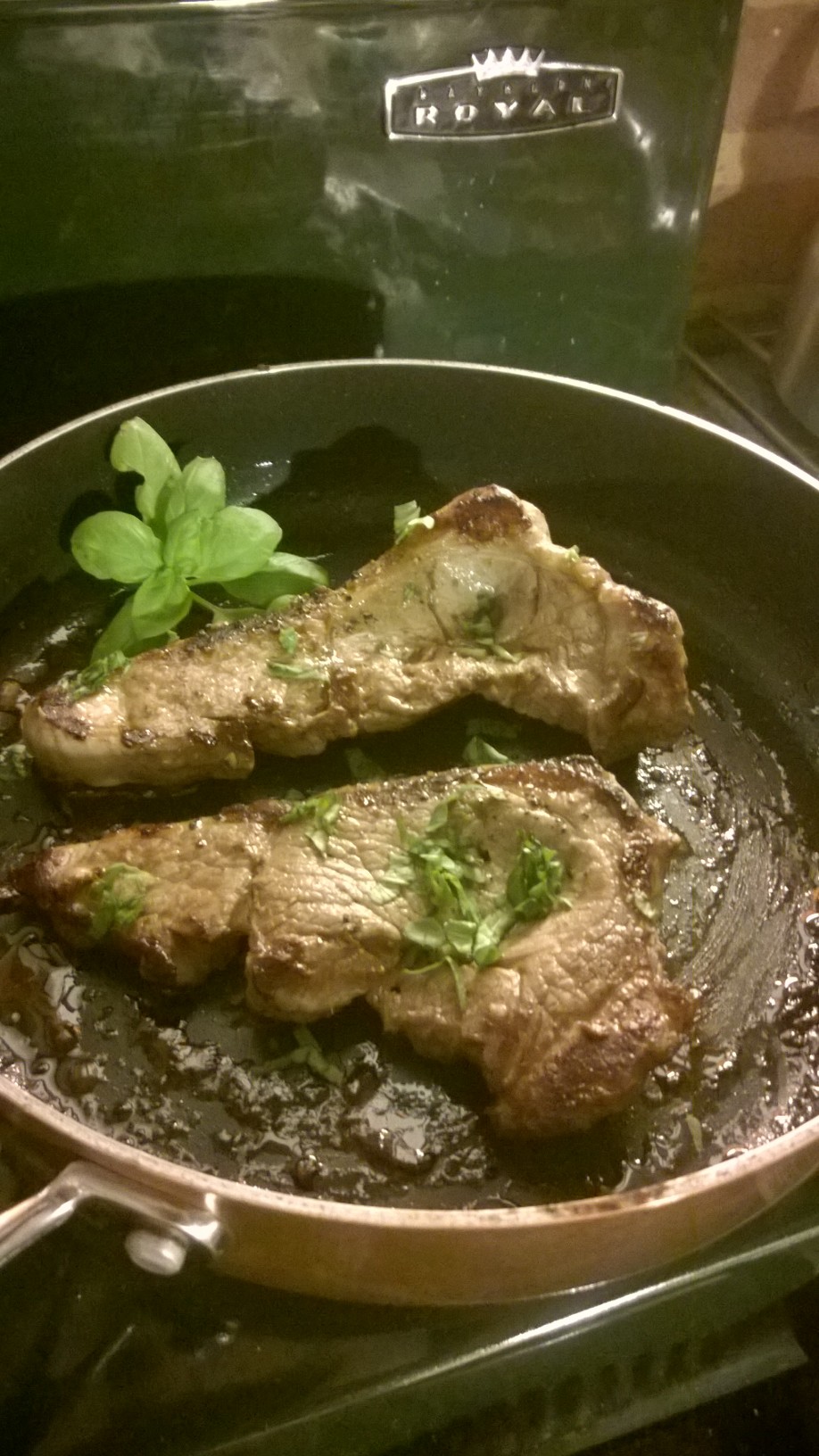
Pan-Seared Leg-of-Lamb-Steaks with Braised Celery & Red Pepper Dauphinoise – Low Carb & Keto-Friendly!

The heir-apparent to the French royal family has been known as the  ‘Dauphin’ since 1349. Strangely enough, it took until 1788 for the well-known potato dish to take on that name.

No potatoes for us! We’re low carb and shall ‘make do’ with something infinitely richer in taste: celery & peppers!

dauphin 1

Bring some water to the boil and blanch your celery, cut into 2 inch chunks.

In a casserole, soften a sliced onion in butter until translucent. Be careful the butter doesn’t burn as the dish will acquire a ‘muddy’ taste. Add some crushed garlic (as much or as little as you like), then throw in your finely sliced red pepper.

Drain the celery and stir into the mix. Season, then pour on some double-cream, until the vegetables are ‘waist-deep’ in the stuff! Grate some cheese on top and sprinkle with chopped herbs. Into the oven it goes for circa 20 minutes until pleasingly golden.

lamb

Place a sauteuse or skillet (or frying pan) onto the hob for the lamb. Add a small amount of oil or butter, so that it does not stick. Season the meat both sides, then lay it into the pan. The pan should be hot enough for it to give a good sizzle!

One dreadful cooking habit many people have, is prodding things! Do not move things around in the pan until they are ready to be turned! If you’re constantly moving things around, they will never brown. No-one likes to be mothered. The same goes for one’s dinner!

Once the meat is nice and caramelised, turn and cook the other side until the lamb is done to your preference. A final sprinkling of herbs and dinner is served!

Thank you for reading,

Adam.

dauphin 2

Smoked Mackerel with French Beans, Hard-Boiled Eggs & Fiery Scotch Bonnets – Low in carbs, high in flavour!

WP_20141019_029

High in the right kind of fats, super low in carbs, and wondrously quick and easy! The power of the scotch bonnets cuts perfectly through the richness of the mackerel and the dressing. Make sure you keep the beans nice and al dente, to make the most of the textual variation.

Boil a pan of water and blanch the ‘topped & tailed’ beans. 2 minutes max should do it. Plunge them into ice-cold water, so that they keep their colour & crunch.

Toss the beans in the dressing of your choice; I always opt for classic French vinaigrette as it is low carb & the the acidity of the vinegar provides a welcome tang against the oiliness of the fish.

Hard boil your eggs in the same boiling water as you had cooked the beans (economy of washing-up is a must!). After 5 mins, place into cold water until cool, then peel and halve.

Thinly slice some red pepper (I used the ‘pointed’ kind, as nice and sweet) and sprinkle over your beans. Do the same with the scotch-bonnets. Take care not to touch your eyes with chilli-fingers; it really does hurt!

De-skin your mackerel (or you can keep it on if you prefer) and position it on top of the salad. Add the eggs, drizzle a final amount of dressing over the top and sprinkle with paprika. Voila!

Thank you for reading and bon ap!

The spooky derelict house…

As it’s the weekend, I have time to vary my morning walk a little. A mile and a half out, lies this gruesome place!

WP_20141019_014

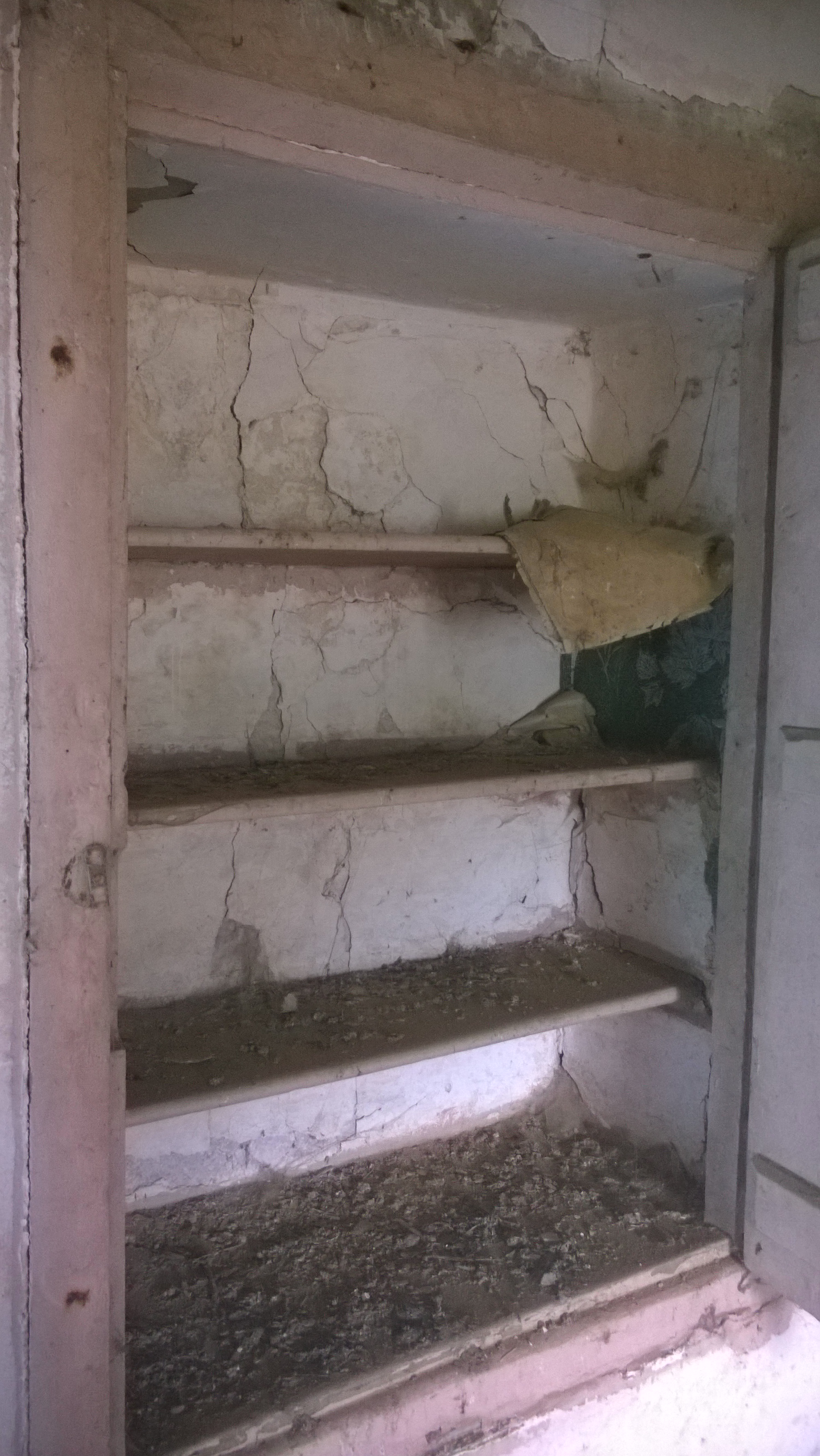
I think the thing I find the most harrowing and sad is the kitchen shelves. They must have once held wonders! Exotic herbs and spices, maybe even jars of Christmas mincemeat or elderberry wine. Now they are all empty.

WP_20141019_018

I have never been brave enough to climb the stairs – the whole place is incredibly spooky!

WP_20141019_017

It is the everyday signs of life which are the creepiest – coat hooks on ‘doors-to-nothing’, and still-peeling wallpaper!

WP_20141019_019

This is definitely a walk for the morning… There’s no way I’d do it in the dark!

Thanks for reading. More soon,

Adam.

Do you ever feel followed?

Sometimes it’s nigh on impossible leaving the house to take a walk!

WP_20141019_002

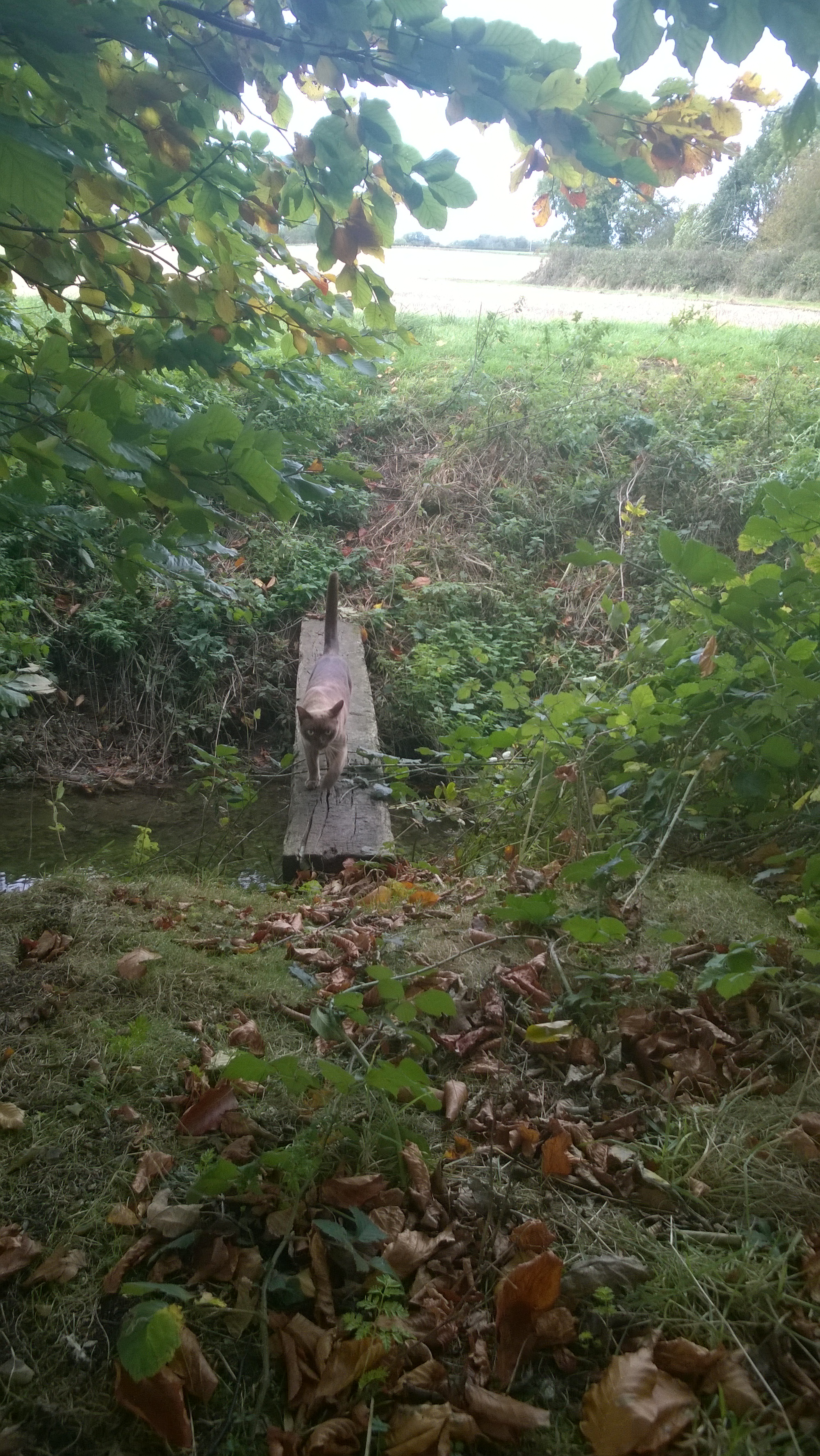
Could this be the neediest cat in England?

He dislikes being in the open, so stops and screams as soon as you go into the field. As soon as he hears wellington-boots on gravel (a sure sign that we’re sneaking off for a walk), he miraculously appears!

The elaborate games we have to play to disguise the fact that we’re leaving, get increasingly more ridiculous with each passing day! The most recent is sprinting round the barns in circles until he finally gets dizzy and wanders off.

Unfortunately this has the same effect on me! Back to the drawing-board it seems…

Thanks for reading, Adam.
Week 2 – Sun 12th October

Well, two weeks in. Just to remind you all, I started the ketogenic diet at 15 stone, 10 pounds. My goal is 12 and a half stone, by mid-March 2015. This means a target weight-loss of 2lb per week.

Week Two’s target weight therefore? 15 stone, 6 pounds. Waistline measurement only once a month, so not this week.

I step onto the scales…

Oh dear. Oh dear, oh dear. Something has gone drastically wrong. 15 stone, 7 pounds. Not only have I missed my target; but I’ve actually gained a pound since last week! This sends me into a spiral of despair. I immediately think about giving up…

What can have gone wrong??? I wrack my brains repeatedly then turn to on-line guidance and the books I have bought.

All the literature says ‘don’ trust the scales’; weight fluctuates within quite a wide margin due to water-retention &tc. Yes this is true; but one whole week in ketosis should certainly have shifted something! I’ve been checking for ketones every day, and I’ve definitely been burning body-fat for energy. In spite of this, I’m heavier??

Admittedly all is not lost; I’m still 3 pounds lighter than I was 2 weeks ago, so that is a positive. But the ‘scales thing’ doesn’t quite add up. They say muscle weighs more than fat. Yes, I’ve been far more active over the last couple of weeks; but hardly in a ‘muscle-building’ kind of way. Am I dehydrated therefore retaining huge quantities of water? No, I drink a lot of water and top up regularly throughout the day.

My only assumption is that it has to be something to do with the food I am eating. Have I been doing anything differently this week? A short reply – yes.

I’ve been reading a lot about long-term carb-reduction. Examples include how First-Nations peoples such as Inuits survived almost exclusively on a diet of high levels of saturated fat & smaller quantities of protein (strangely enough, the body doesn’t get scurvy). Add to this, I’ve been reading blogs on things like ‘bulletproof coffee’ (apologies if you’re a fan, but this is REALLY not for me – my journey is about real food). In short, all these sources advocate upping your levels of saturated fat; which I’ve duly actioned.

So the one thing I’ve changed over the week, is adding additional saturates to things, e.g. stirring an extra tablespoon of butter into a sauce, when there is already some in there, and double cream to boot!

I’m firmly convinced that this is where my error lies. The additional fats are for long-term weight-maintenance i.e. when your body has lost all the weight. Only then do you need to up the calories, to stop you from wasting away & keep you steadily at your target-weight. I think I’ve somewhat lost sight of the fact that I’m in a weight-loss phase; I’m not a lean Eskimo, who requires a vast number of calories just to survive (yet). I sit behind a desk!!!

Yes, I’m convinced I’ve worked it out. I’ll just have to stop adding additional fat, and see if I can get back on track. Next week’s weigh-in will be a nerve-racking experience, that’s for sure.

So apart from my devastating results and probable humongous error;  how have I found this week?

Headaches still recurring, but with lower frequency. Slightly lower energy levels this week; but I expect this may have something to do with my ‘saturated fat overload’! Mood has also stayed on the grumpy side; but work has remained super-stressful, so cannot differentiate between the two.

Still thirsty and drinking a lot of water. The body-temperature thing seems less noticeable, but maybe I am just getting used to it. All in all, I am still highly motivated to continue and shall chalk this week’s setback down as a simple case of ‘you live, you learn…‘. I just hope I’m right; I certainly don’t want to go to all that effort, only to find I’m getting fatter!

Only time will tell. Feel free to check in on Week 3’s progress to see if I’m right!

Thanks for reading, and have a nice week; Adam.

Please note – as highlighted in the my first weekly weigh-in post, I hadn’t yet had the idea to write this blog when I started the diet. The first couple of ‘weekly reports’ are therefore retrospective; but as this was only a week ago, I more than remember how I felt! The results were naturally recorded aside from this blog, so no chance of variance there.

Enjoy the read, and with thanks, Adam.

Norfolk Crab, Avocado & Local Brown-Shrimps with Rocket & Parmesan-Shavings. Ketogenic Heaven!

WP_20141018_069

This dish was previously part of another post: a ‘starter & main course combo’. I was asked if I could separate the two, to make it easier to search the recipes. This seems like a very good idea, so thank you for the suggestion!

Fresh local crab and brown shrimps with avocado, vinaigrette, rocket & curled shavings of parmesan cheese! You couldn’t get a more delicious low-carb recipe than this! We had it as a starter, but it’s also a great lunchtime or main-course dish. Just throw in some green vegetables (mange tout, broccoli &tc) to bulk the whole thing up a bit.

Incredibly simple… pile a handful of rocket into the centre of your serving plate. Halve the avocado lengthways. Then twist out the stone by chopping into it with a kitchen knife & giving it a sharp turn anti-clockwise. With a soup-spoon, scoop out the avocado flesh and place it atop the rocket.

Flake the crab onto the avocado, then dress the whole thing with vinaigrette. Finally scatter the shrimp liberally, season and finish with parmesan shavings. Sublime!

Thanks for reading & bon ap!

Adam.

Week 1 – Sun 5th October 2014

Well, one week in. Just to remind you all, I started the ketogenic diet at 15 stone, 10 pounds. My goal is 12 and a half stone, by mid-March 2015. This means a target weight-loss of 2lb per week.

Week One’s target weight therefore? 15 stone, 8 pounds. Waistline measurement only once a month, so not this week.

I step onto the scales…

15 stone 6 pounds! I have done it. I breathe a sigh of relief. Weight-loss of 4lbs in the first week is fairly good going. I lost about 6lbs in the first week of doing the Atkins, but that was about 5 years ago, and I had a job that kept me on my feet all day. Now my job is desk-based, therefore pretty sedentary.

In short I am pleased.

How have I found the first week?

Physically speaking, my body has very much made me aware that a big change has taken place. I didn’t test for ketones until Wednesday morning, so that was 3 full days of not eating carbs. The keto-strips came up a dark purple, so I was in deep ketosis.

I seemed to arrive at this fairly quickly. I expect that if I’d have tested on Tuesday, I would have actually been in ketosis by then. Most of the literature states between 2-3 days for the body to adapt from burning glucose to producing ketones, so my timescale sounds about right.

Side-effects? I’ve had recurrent headaches, but again, the literature on ketosis says this is only natural. They weren’t particularly pleasant, but certainly bearable. I actually felt as if I had more energy than before; most of the books say you might feel listless, tired and weak. I have always known that my body does not respond to carbs well, so the heavy, bloated feeling of starch is a blessed relief as soon as it leaves the body.

Apparently my mood has been a little grumpier than usual. Work has been quite stressful of late, so it is difficult to differentiate between the two, but I suspect my fractiousness could be put down to my body responding to the big change.

Ketones detectable on the breath? A little, but I drink peppermint teat throughout the day so nothing unpleasant.

One big thing that I did notice, was my body temperature. This was not something that I actually measured, but I felt like a furnace!! I was constantly warm (not in a sweaty kind of way) but just felt as if I was emitting a lot of heat. Anyone who got near enough to me attested to this fact also.

I was also incredibly thirsty. I have been drinking a lot of water, but this is something that one should do on any diet, as the more water you drink; the less you retain (which is good for obtaining a more accurate read from the scales).  This was in no way a bad thing; just noticeable.

All in all, the week went very well. It has not been overly difficult; just different. All other diets (low fat, GI &tc) have all left me feeling incredibly hungry. LCHF has not., which is a real boon. If anything, you want to eat less, not more. The food has been pretty tasty and varied, as my ‘recipes’ will show.

Highly motivated therefore to continue week two. As before, wish me luck and thank you for reading,

A.

Please note – as highlighted in the my first weekly weigh-in post, I hadn’t yet had the idea to write this blog when I started the diet. The first couple of ‘weekly reports’ are therefore retrospective, but as it was only two weeks ago, I more than remember how I felt! The results were naturally recorded aside from this blog, so no chance for variance there.

Enjoy the read, and with thanks, Adam.